
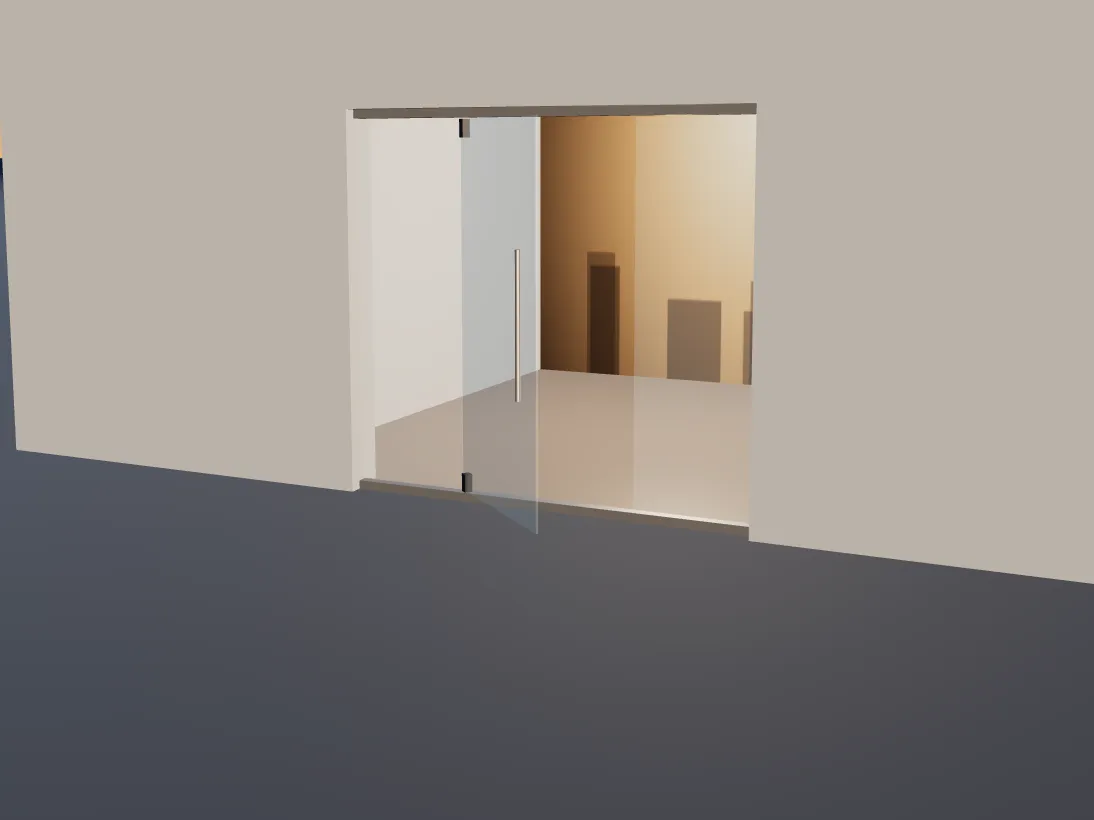
Spider glass facade
Large frameless panes are carried at their corners by stainless steel spider fittings. Uninterrupted transparency for entrances and lobbies.
No frames: only glass and steel.
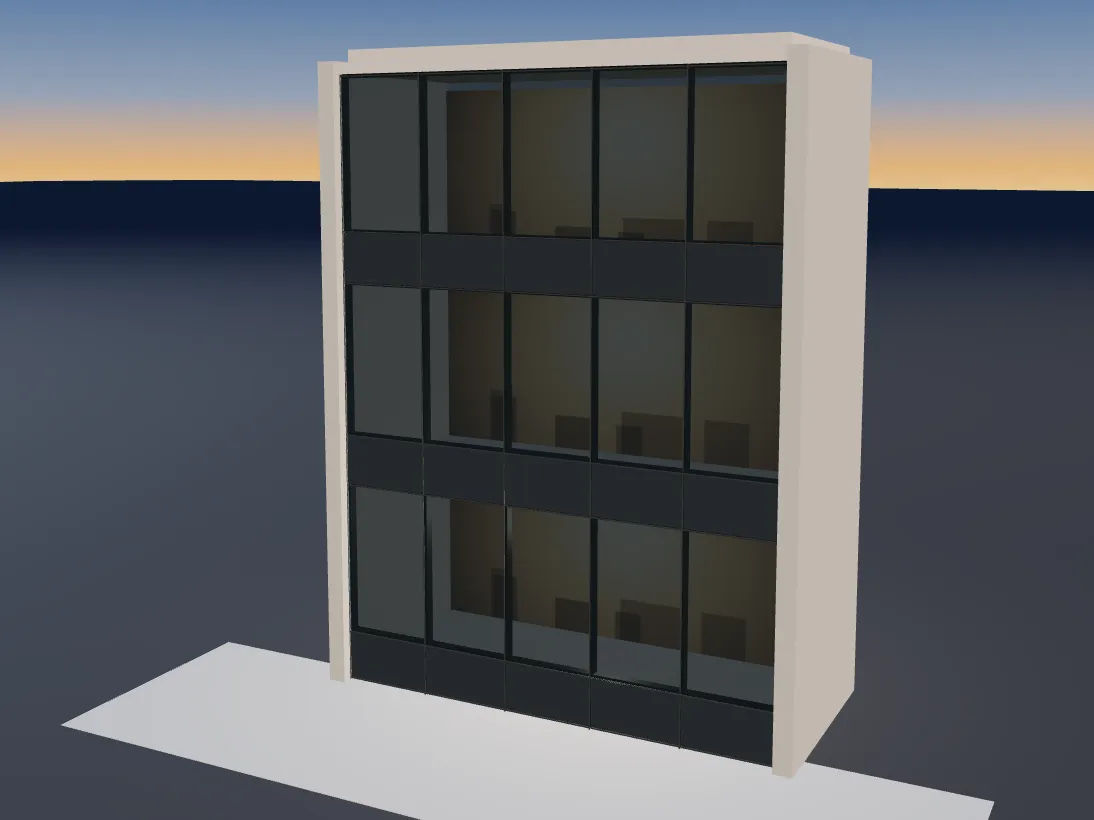
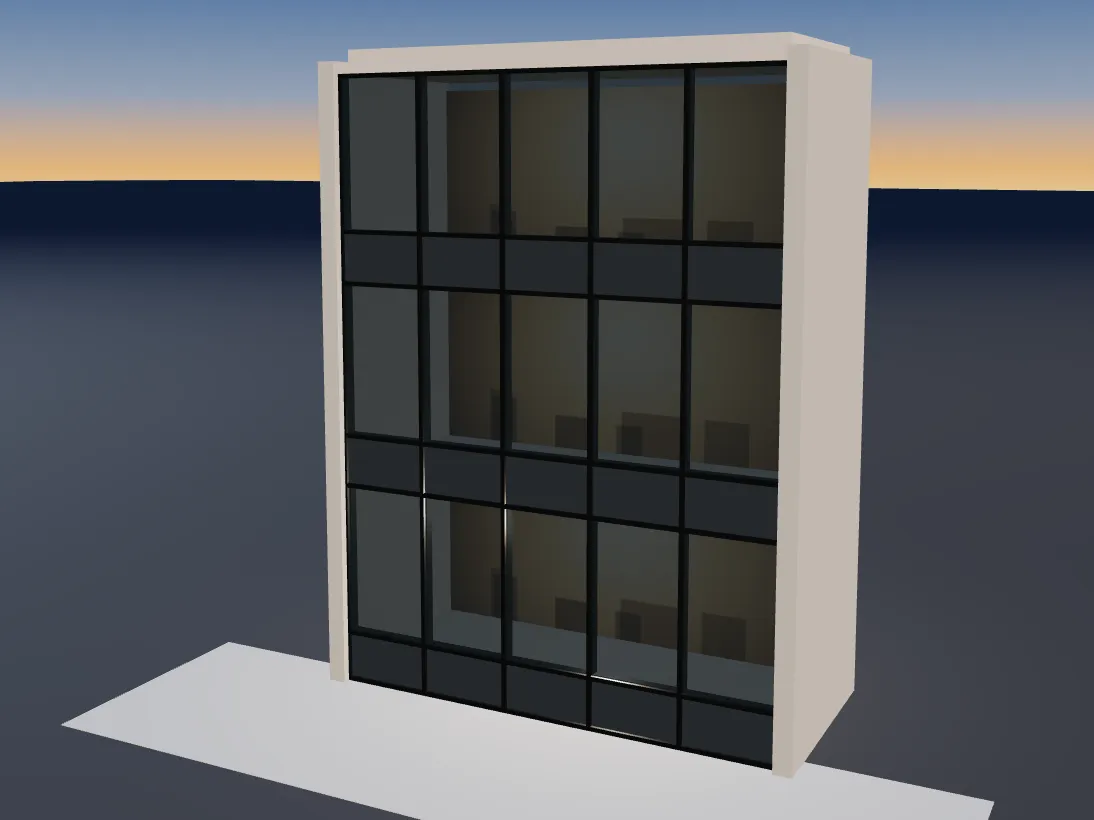
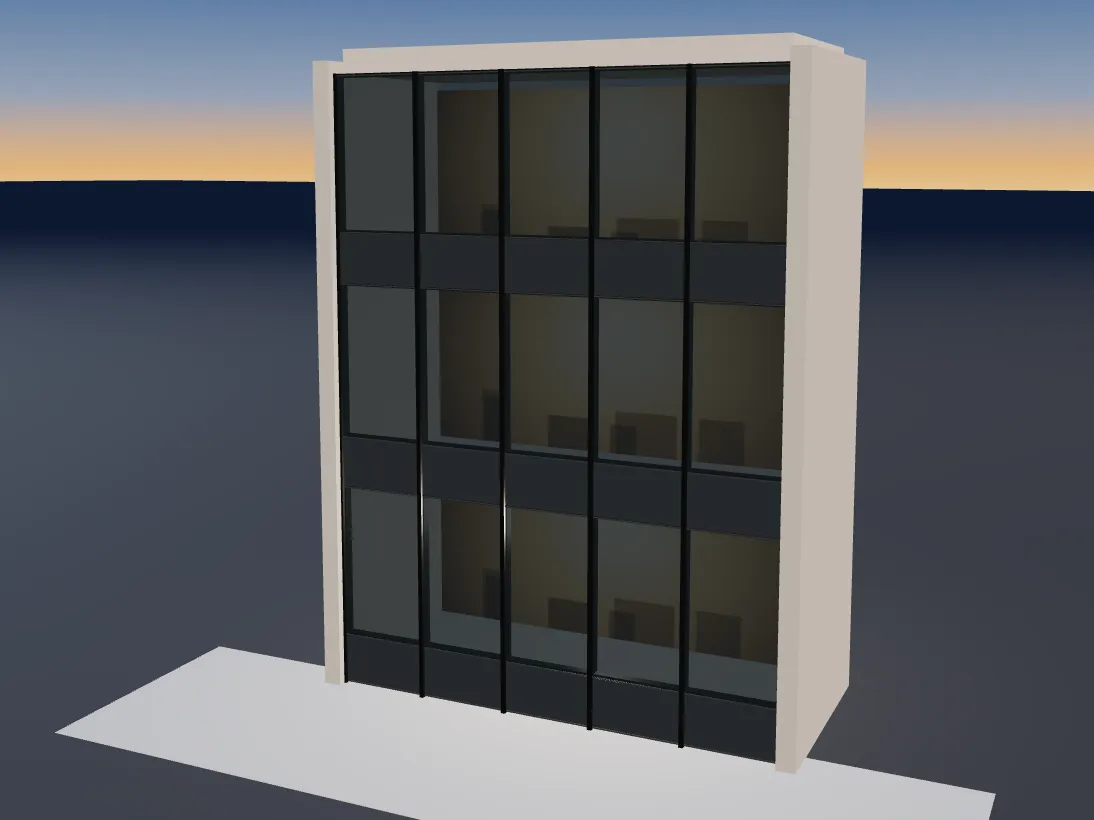
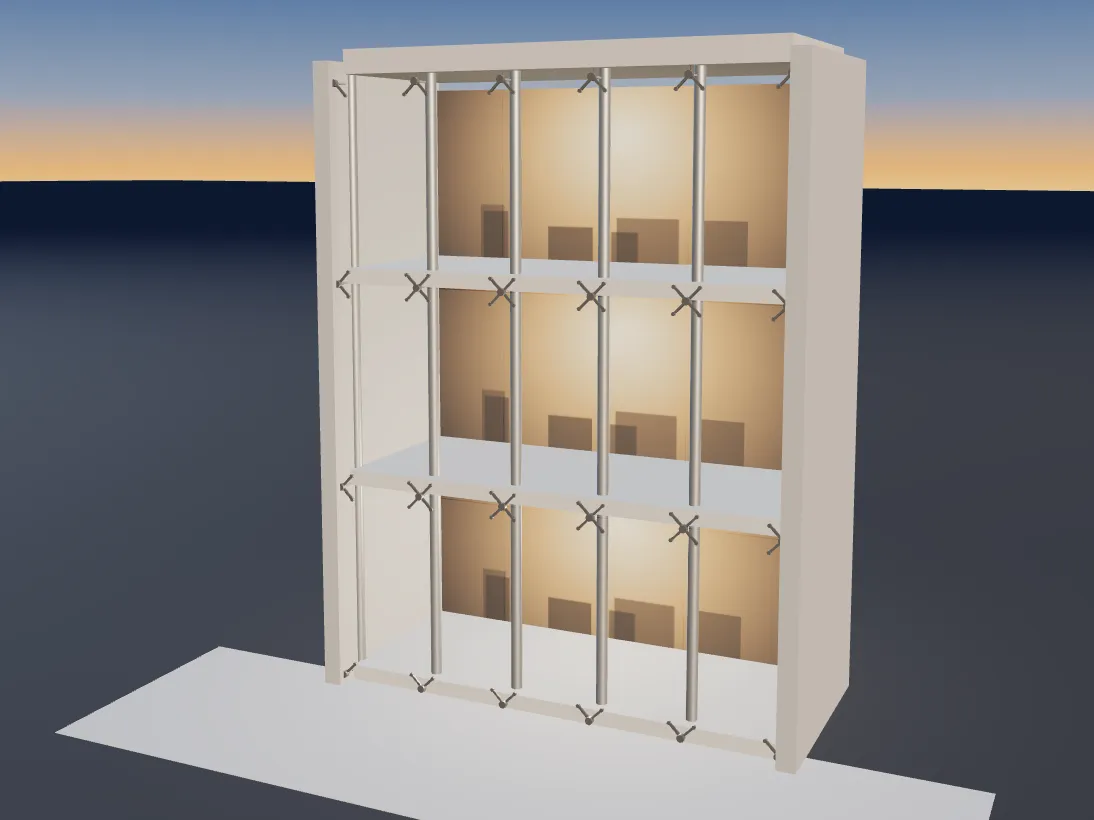
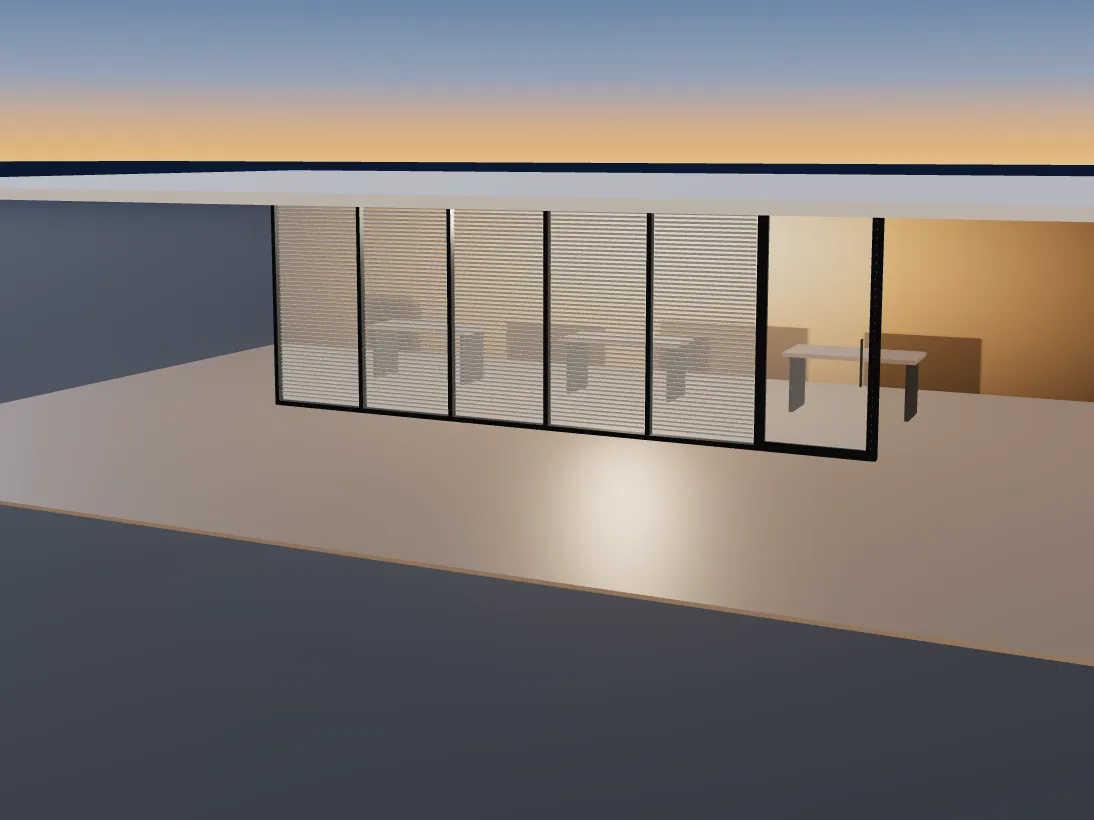
In a spider glass facade, toughened and/or laminated panes are drilled at the corners and fixed to stainless steel spider fittings. The spiders are connected to a steel structure behind or to load-bearing glass fins. With no profiles, the facade is almost entirely transparent; it is used for building entrances, lobbies, atriums and showrooms.
- APPEARANCE
- Frameless, point-fixed
- FIXING
- Stainless steel spider, articulated bolt
- GLASS
- Toughened and/or laminated safety glass
- SUPPORT
- Steel structure or glass fins
- JOINTS
- Silicone
- PANE SIZES
- No standard; set per project
From survey to handover
STEPS TO BE CONFIRMED WITH THE COMPANY- 01Survey and measuringThe facade area is measured on site and the glass layout and fixing points are drawn up.
- 02Structural design and detailingGlass thickness, support structure and spider fittings are sized for wind loads.
- 03Support installationThe steel structure or glass fins are fixed in place.
- 04Spiders and glazingThe spider fittings are installed and the drilled panes are fixed to them with articulated bolts.
- 05Sealing and handoverThe joints between panes are sealed with silicone and the facade is handed over.
Projects with this system
1 PROJECT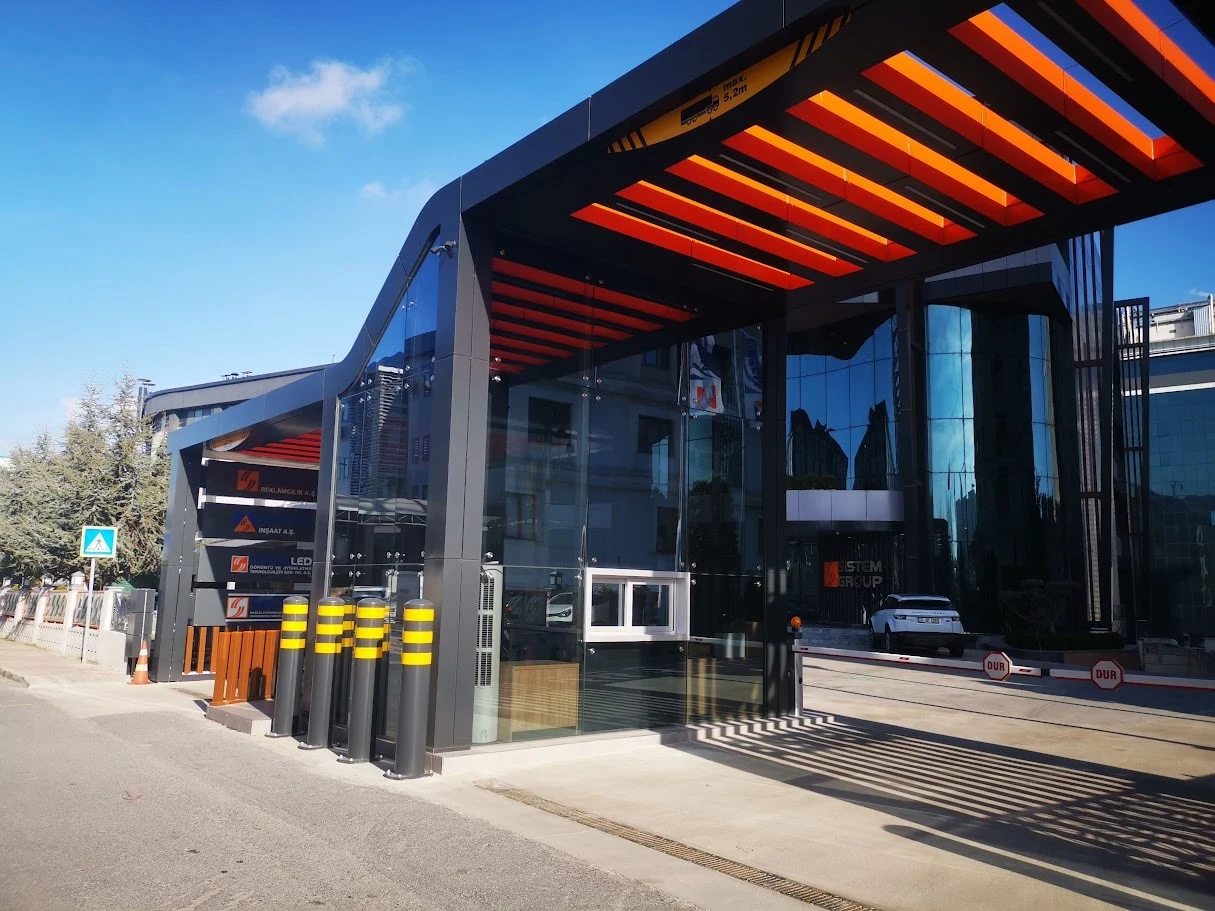
Frequently asked
Where are spider facades used?
Building entrances, lobbies, atriums, showrooms and anywhere a tall, transparent facade is wanted.
What glass is used?
Because the panes are drilled, toughened and/or laminated safety glass is used.
What supports the glass?
A steel tube structure behind the glass or load-bearing glass fins. Glass fins give a more transparent look.
Can a spider facade include a door?
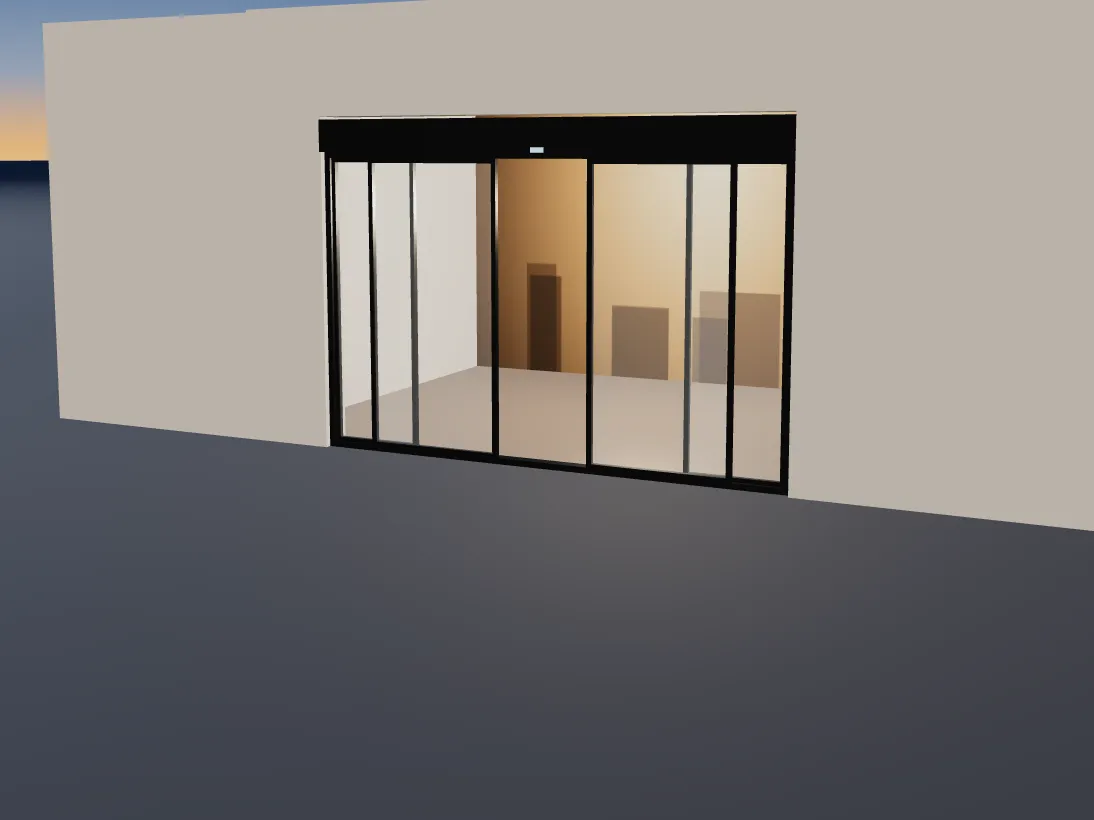
Yes. A glass door or an automatic sliding door can be built into the facade.
How is it maintained?
The glass is cleaned regularly and the spider fittings and joints are checked periodically.