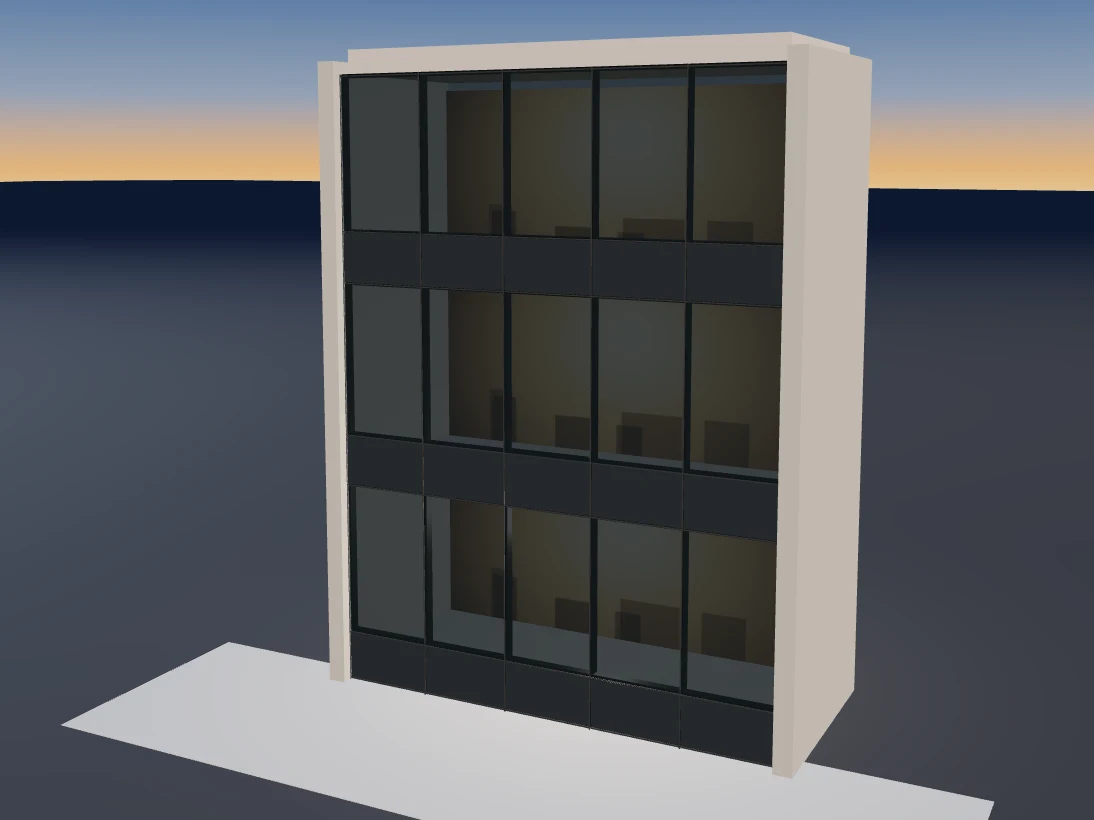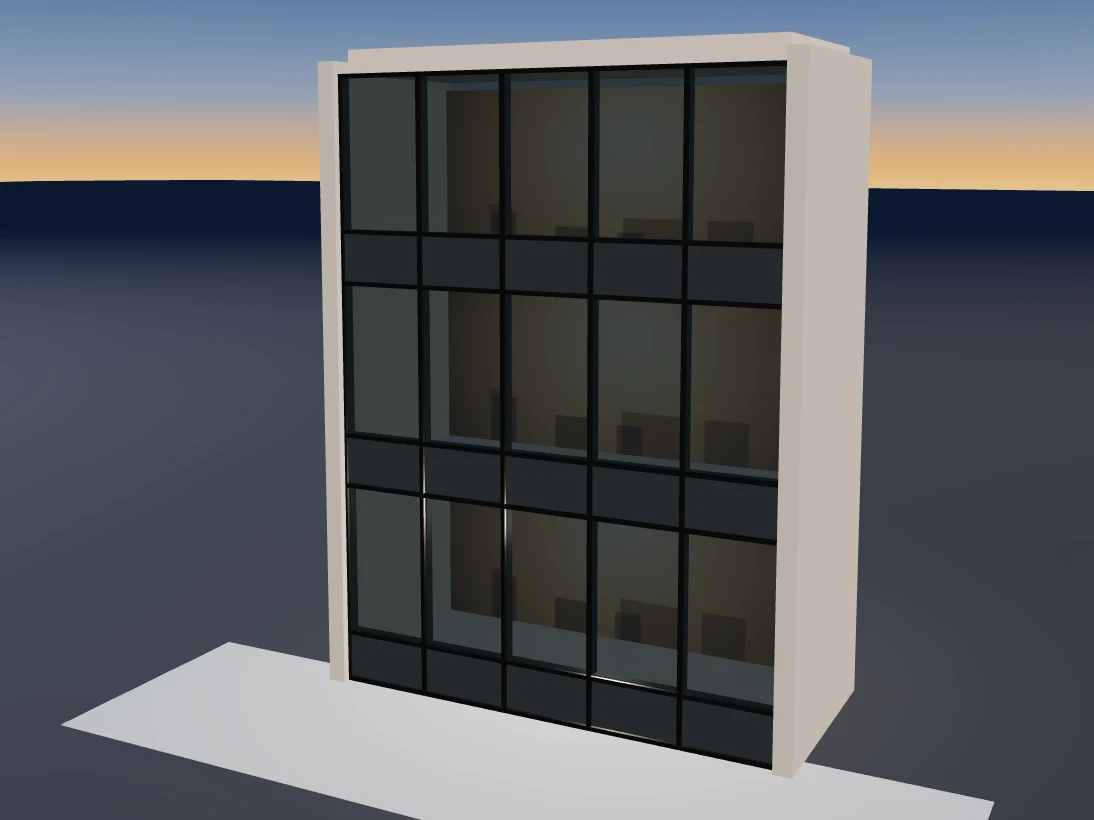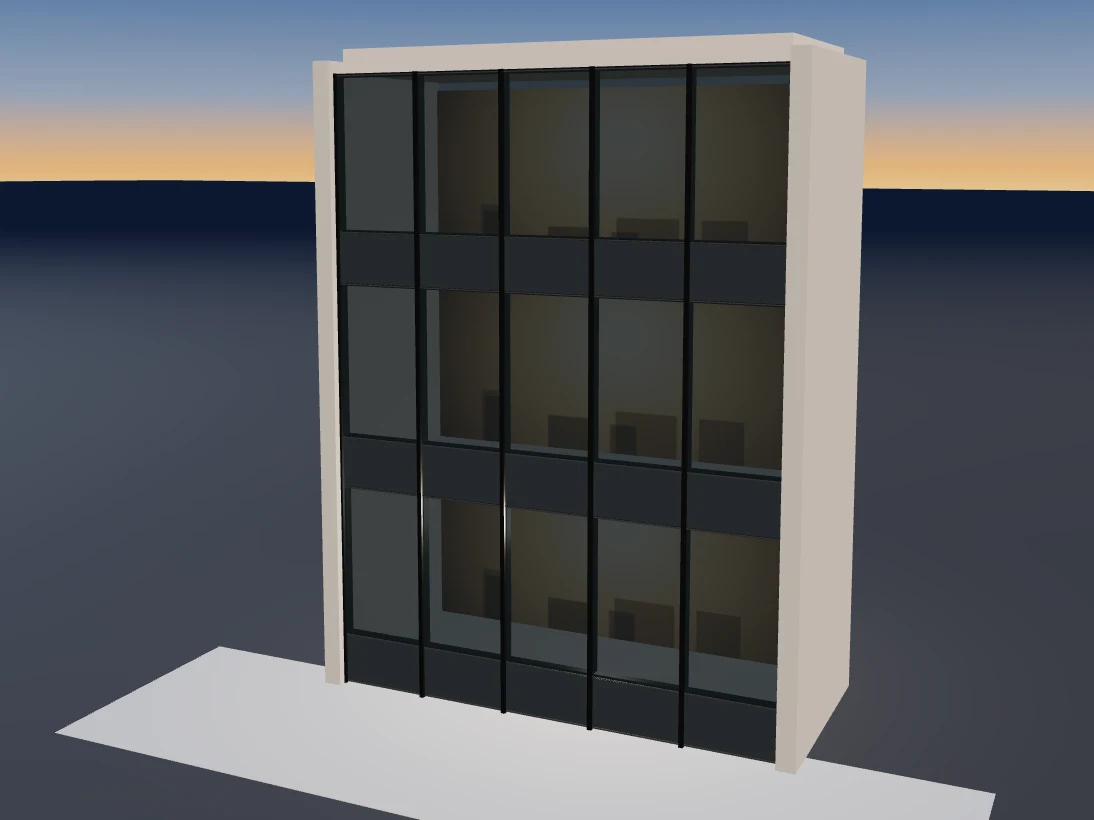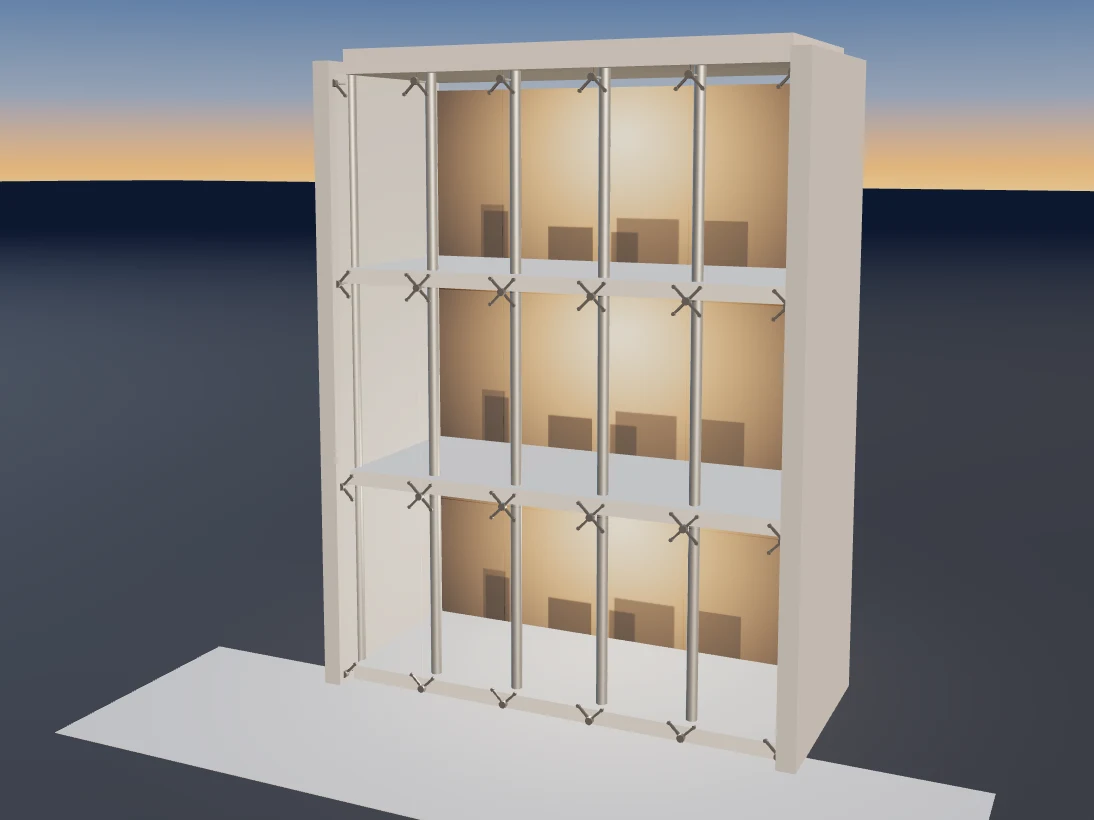
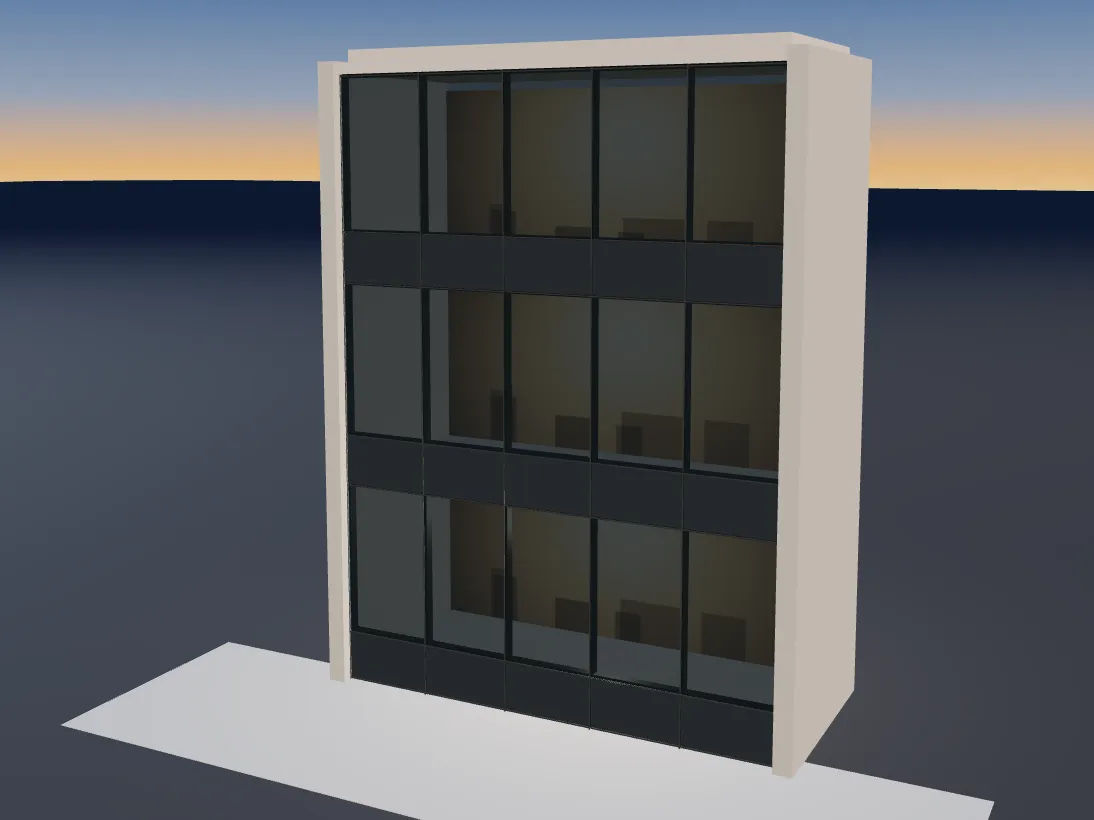
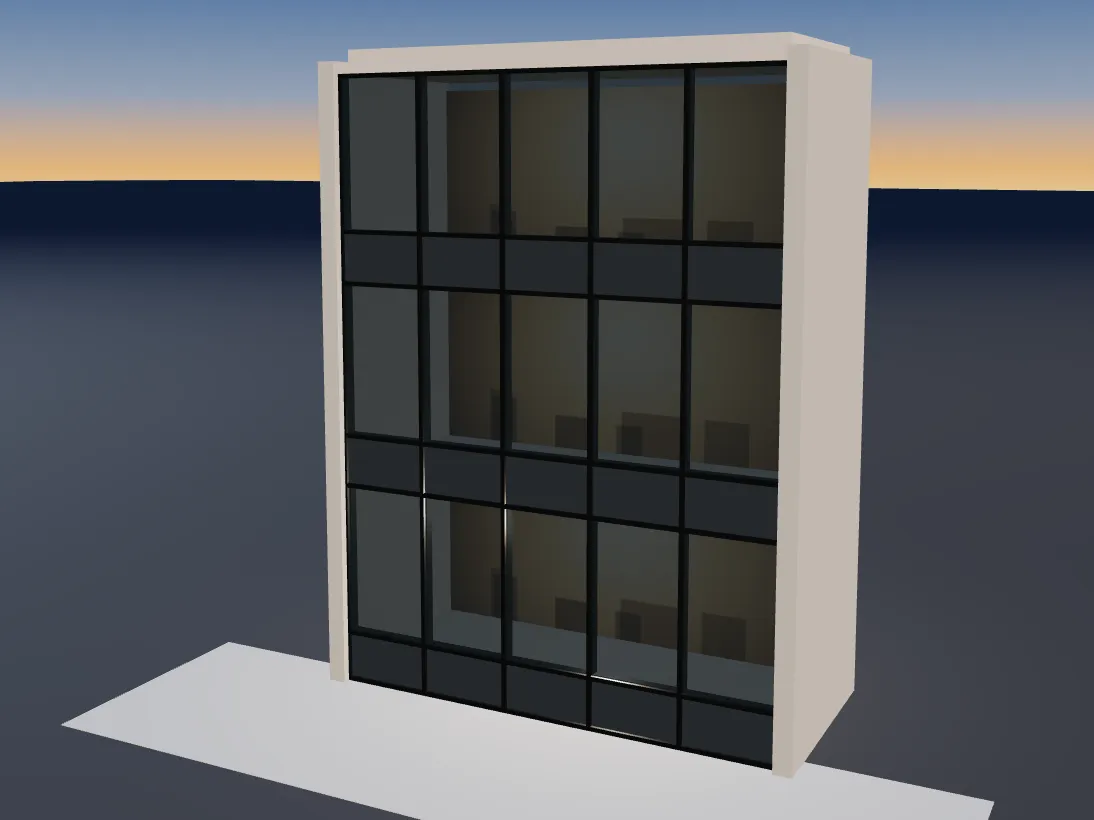
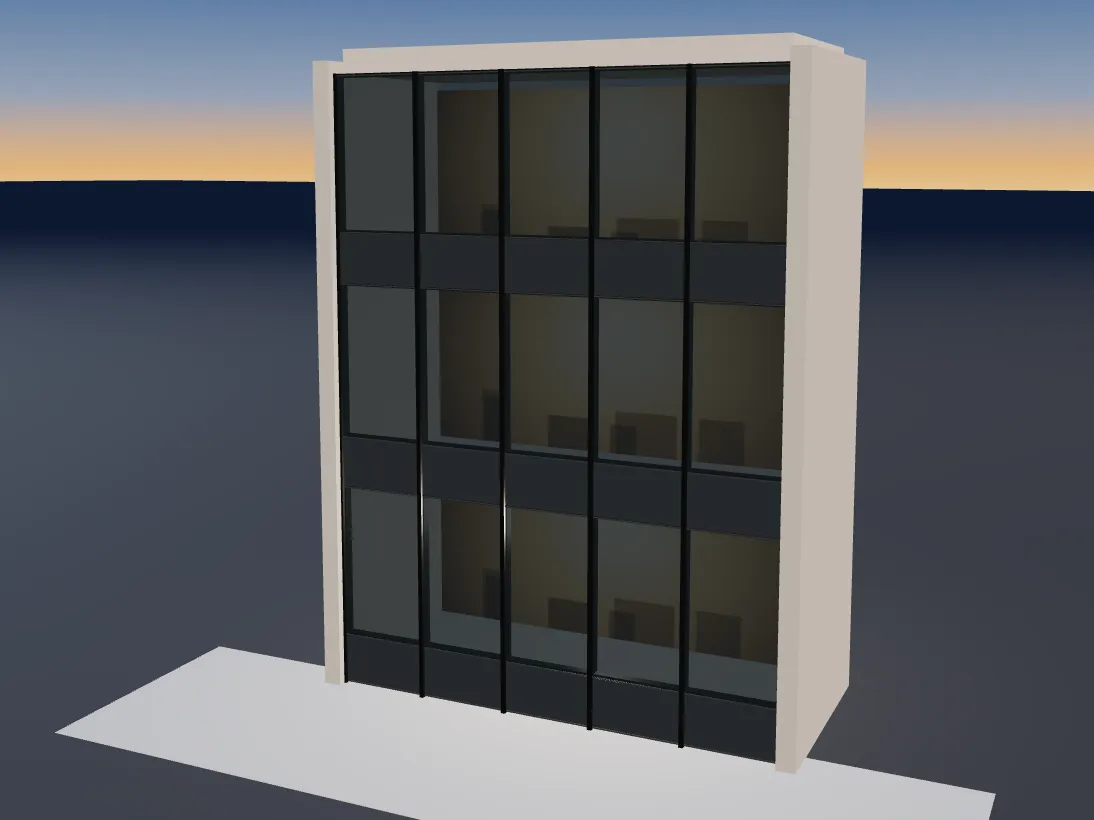
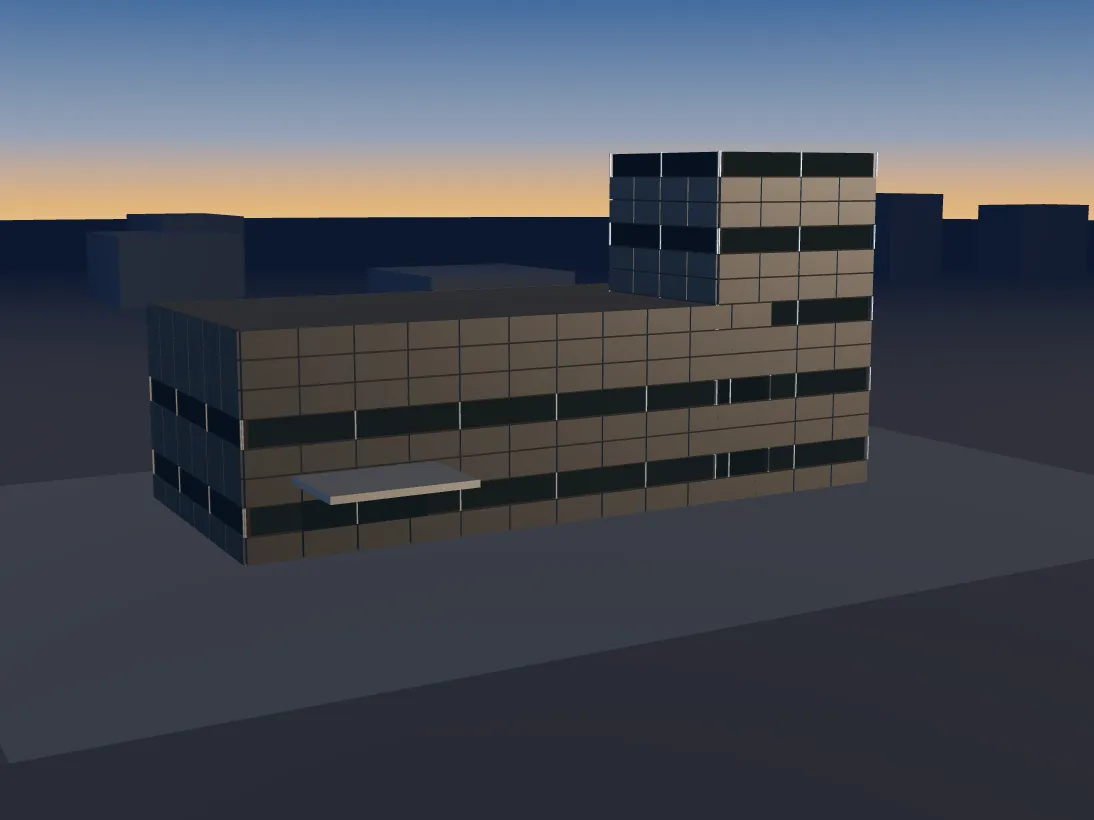
The first question most clients ask about a curtain wall is the price per square metre. It is a fair question, but on its own it can be misleading. Two facades of exactly the same area can cost very different amounts depending on the system, the glass and the conditions on site.
Here is what actually drives curtain wall cost, and what to check when comparing quotations.
Why a square-metre rate only tells part of the story
A square-metre rate rolls profiles, glass, accessories, brackets, fabrication, transport and installation into a single figure. That figure only means something when it is read against the drawings and the specification. Before comparing two rates, make sure both quotations cover the same scope of work.
The main cost factors
1. System type
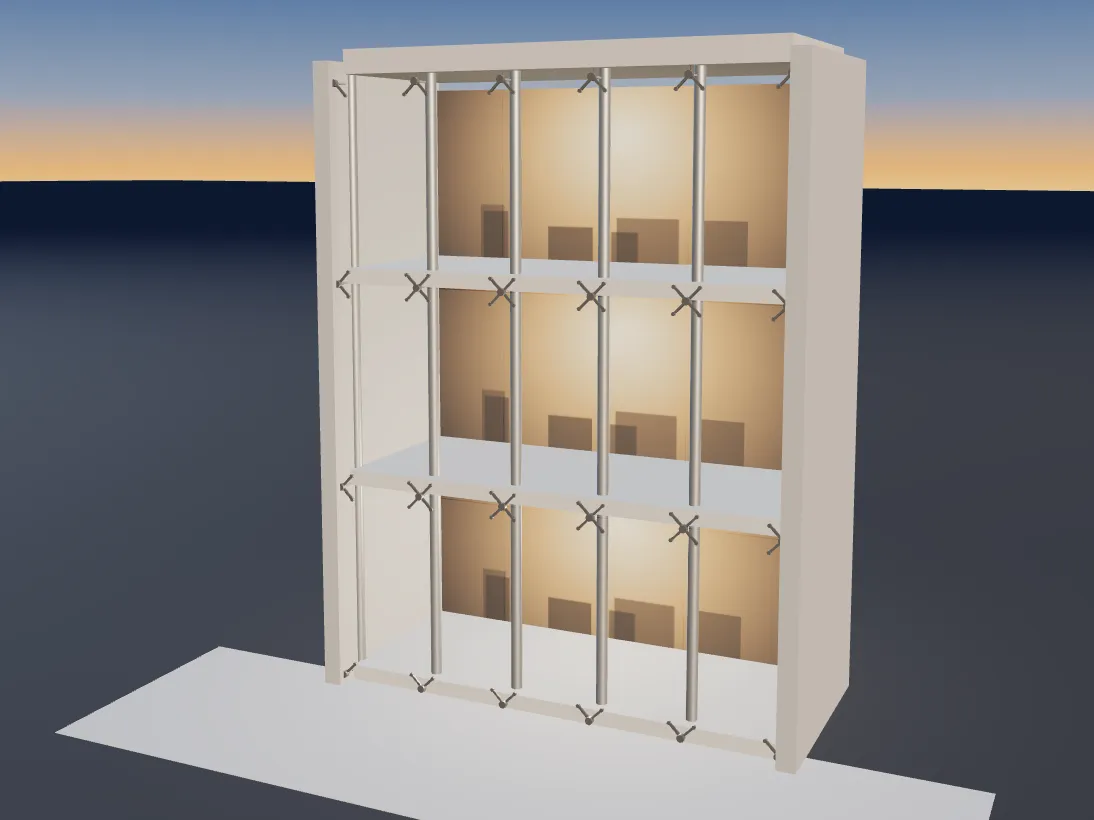
Structural silicone glazing, capped curtain wall, semi-capped systems and spider glass facades each involve different fabrication and installation processes. Structural silicone requires workshop bonding and curing time. Spider glazing involves drilled glass, stainless steel fittings and usually a steel or glass support structure. The balance of labour and materials varies from one system to the next.
2. Glass specification
Glass is one of the largest items in any curtain wall budget. The following all have a direct impact:
- Single, double or triple glazing
- Glass thickness, and whether it is toughened or laminated
- Low-E and solar control coatings
- Tint, reflectivity and printed or fritted finishes
- Pane size: large panes cost more to produce, transport and install
3. Profile series and structural demands
Wind load, floor-to-floor height and pane size determine the profile depth required. Tall buildings and exposed sites need deeper mullions, additional reinforcement and stronger brackets, all of which increase the amount of aluminium.
4. Building height and access
How the facade is installed matters. Whether scaffolding, mast climbers, mobile platforms or cranes are needed; whether the site has room for storage and lifting; whether city-centre traffic or working-hour restrictions apply. All of this is reflected in the price.
5. Geometry and level of detail
A flat, repetitive facade is the most economical. The main cost drivers are:
- Curved glass and curved facade lines
- Corners, sloping surfaces and changes of plane
- Vertical fins and solar shading
- Interfaces between different systems, such as glazing, composite panels and entrances
The curved glazing at Tekaful Insurance in Tripoli and the vertical fins at Efatur’s head office are good examples: they define the character of the building, but they need to be priced in their own right.
6. Opening vents and hardware
The number and type of opening vents, motorised units, entrance doors and the hardware they use all affect cost. Integrated aluminium windows and doors are assessed separately within the package.
7. Programme
A compressed programme may require more crews and parallel fabrication. Equally, delays on site can leave crews waiting. A realistic programme is an important part of keeping costs under control.
What to check when comparing quotations
- Are both quotations based on the same system, glass and profile series?
- Are brackets, steel substructure, scaffolding and craneage included?
- Who is responsible for structural calculations and shop drawings?
- Are interface details, slab-edge insulation and fire stopping within scope?
Clear answers to these questions help prevent unexpected extras later on.
Frequently asked questions
Why can’t you give me a square-metre price straight away?
Because the price depends on the system, the glass, the height and the details. A reliable figure can only be given once the drawings have been reviewed and, where needed, the site has been surveyed.
Which curtain wall system is the most economical?
There is no single answer. On a flat, repetitive facade a capped system is often the most efficient, but the architectural intent, glass selection and site conditions can change that.
Is it worth reducing glass quality to save money?
Usually not. Glass affects thermal performance, safety and the building’s long-term energy use. Savings are better found by standardising pane sizes and simplifying details.
If you would like a realistic cost for your curtain wall, send us your drawings and we will carry out a free site survey. Contact us to request a survey or quotation.