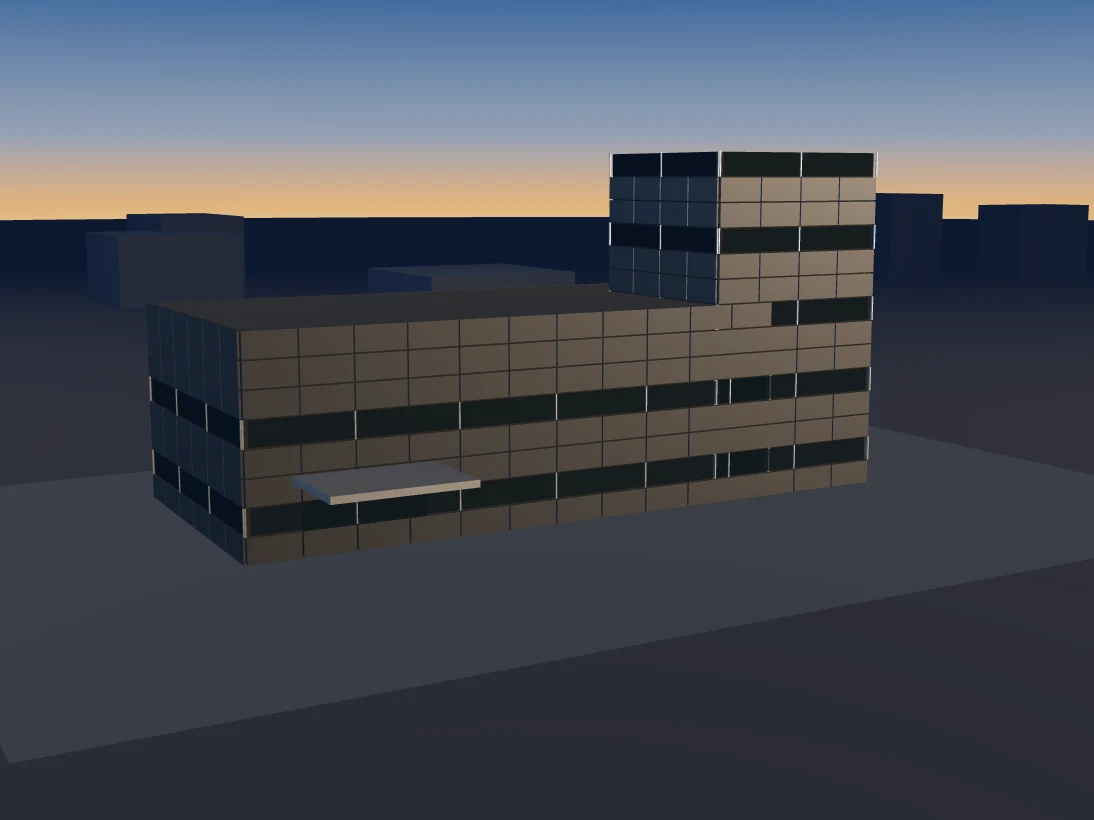
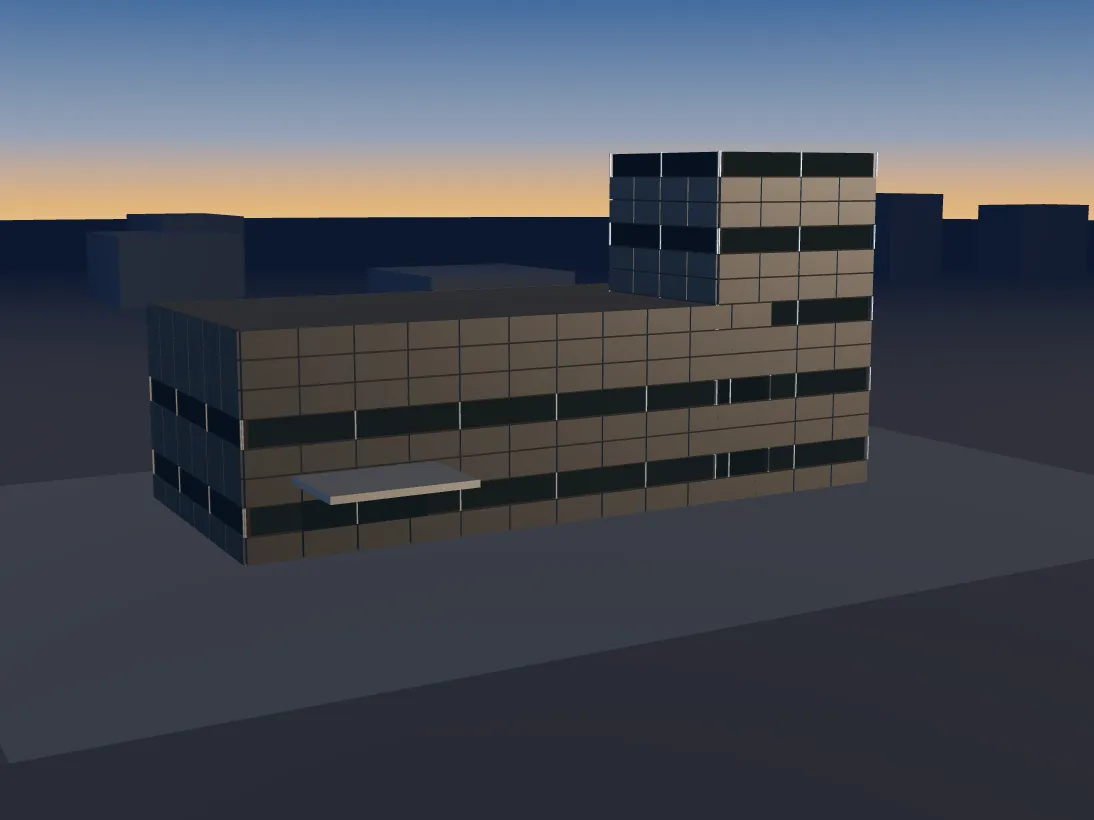
A fuel station has to be recognised by a driver in a matter of seconds. The colour of the canopy, the layout of the forecourt shop and the position of the signs are the brand’s face on the roadside. At the same time, these facades are in use day and night, close to moving vehicles, exposed to fuel splashes and cleaned far more often than most buildings.
That is why a forecourt shop facade needs a different approach from an ordinary commercial building. Here are the points we pay most attention to on fuel station projects.
Working to the brand guidelines
Most fuel companies set out exactly how their stations should look in detailed corporate identity manuals. These typically cover:
- Canopy fascia height and cladding colours
- Panel layout and colour bands on the shop facade
- Positions of signs, logos and lighting
- Shopfront glazing and entrance arrangement
The facade contractor’s job is to translate that manual into the real dimensions and conditions on site. Accurate colour matching, neatly aligned panel joints and sign fixings planned together with the cladding are what make a station look consistent and well finished.
Composite panels: the standard cladding material
Aluminium composite panels are the most widely used material for both canopy fascias and shop facades, for good practical reasons:
- Colour range: Flat, even surfaces in colours that can match brand standards.
- Light weight: Little extra load on long-span steel canopy structures.
- Formability: Panels can be folded and routed, so corners, curves and cassettes are prepared in the workshop.
- Easy to clean: Coated surfaces stand up well to regular washing.
Canopy cladding
Canopies are large surfaces fully exposed to the wind. The subframe and fixings need to be designed for both wind pressure and suction, and panel edges detailed so that water cannot get behind the cladding. Under-canopy lighting and illuminated fascia bands should be coordinated with the cladding from the start; holes cut afterwards spoil both the appearance and the weathertightness.
Fire classification
How a composite panel behaves in a fire depends on its core material. On a site that handles fuel, it is essential to specify panels with a fire classification that meets the applicable regulations and the project requirements.
The shop facade and its glazing
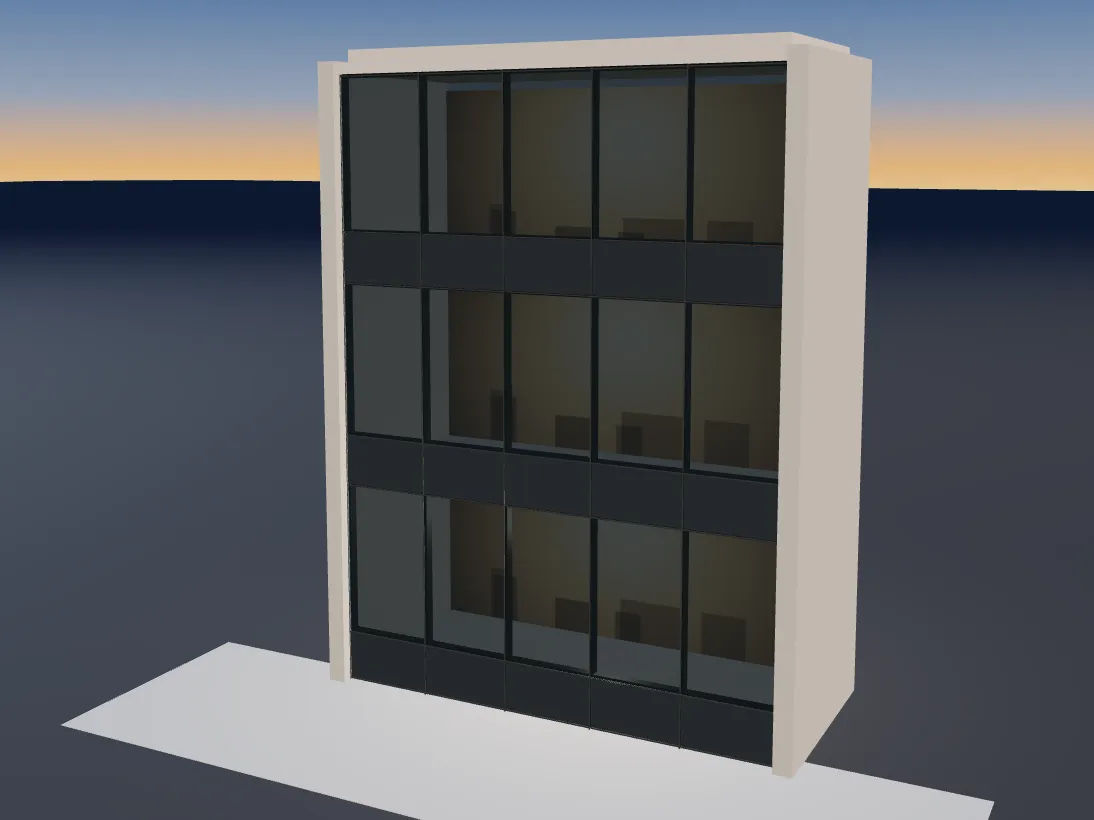
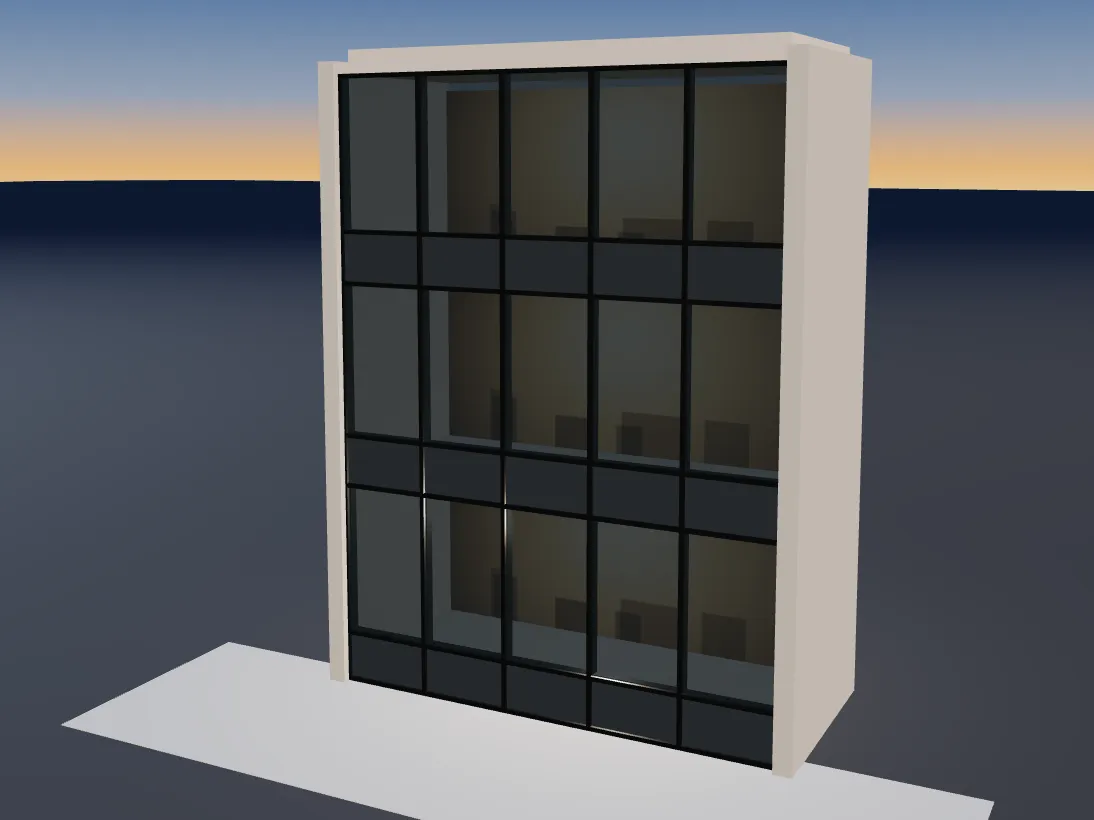
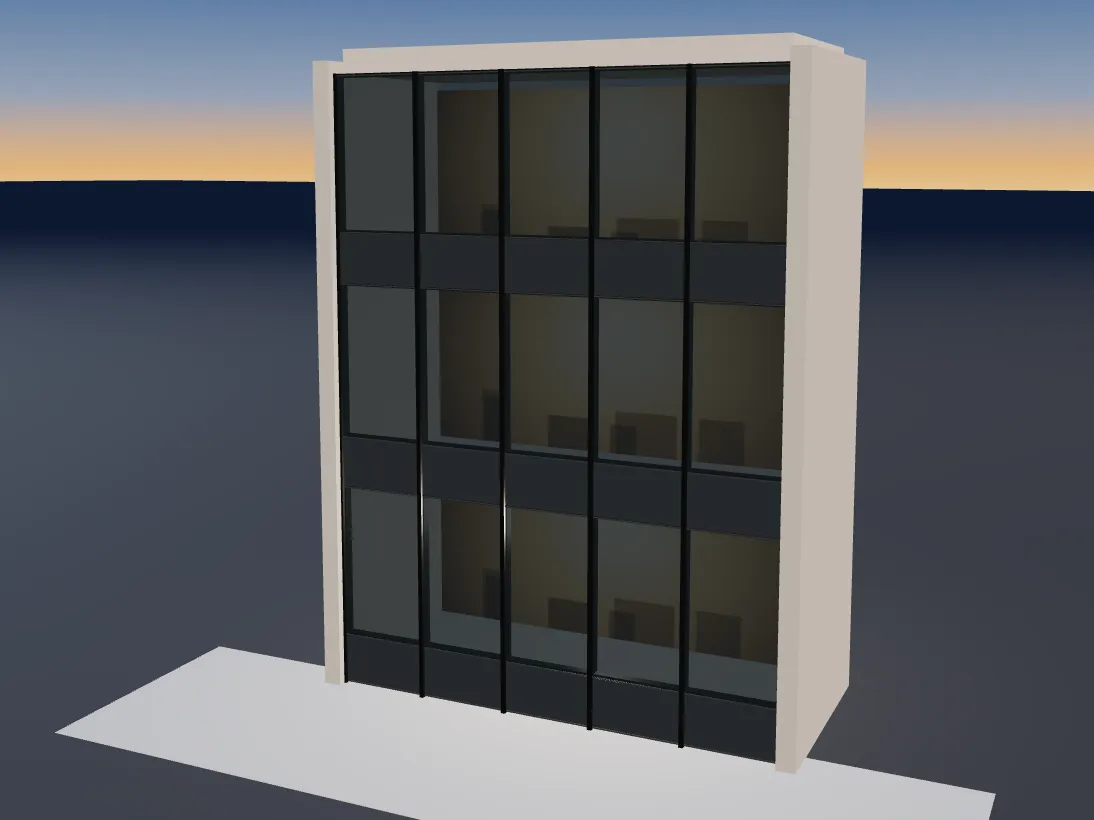
The forecourt shop is an important part of the station’s business, and its facade should draw people in. Large areas of glass let customers see the products and interior from the pumps.
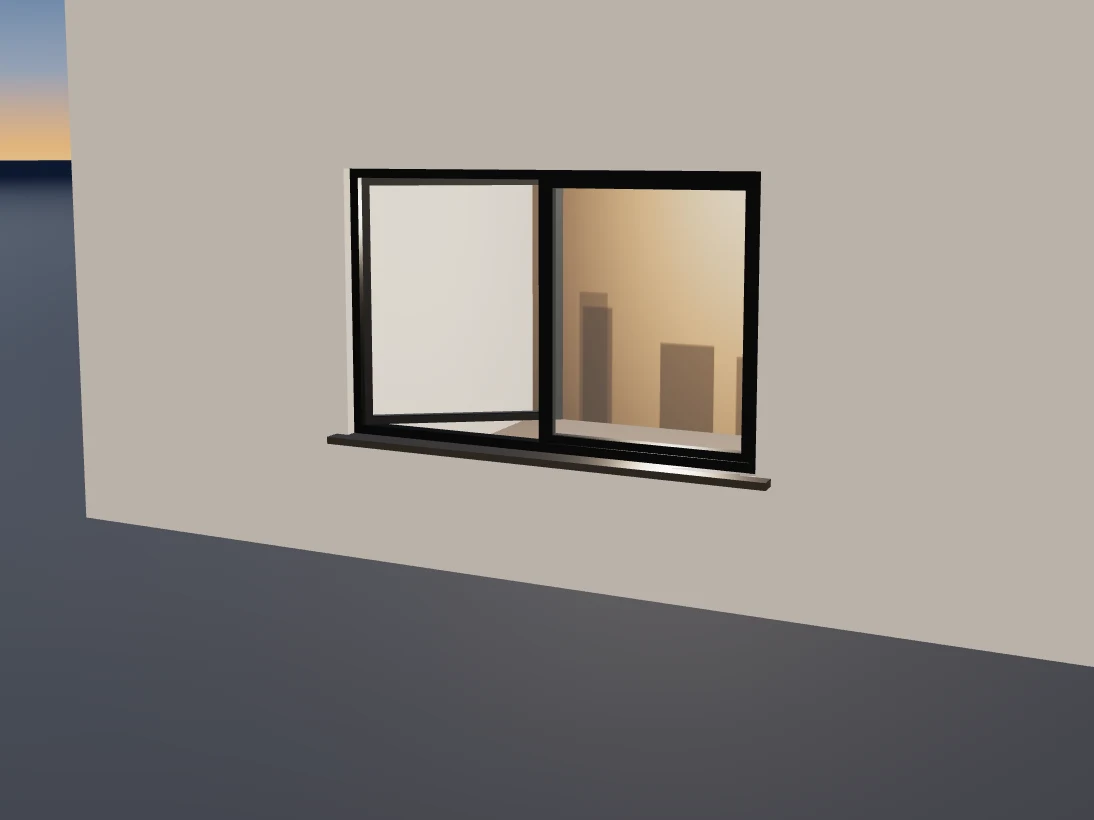
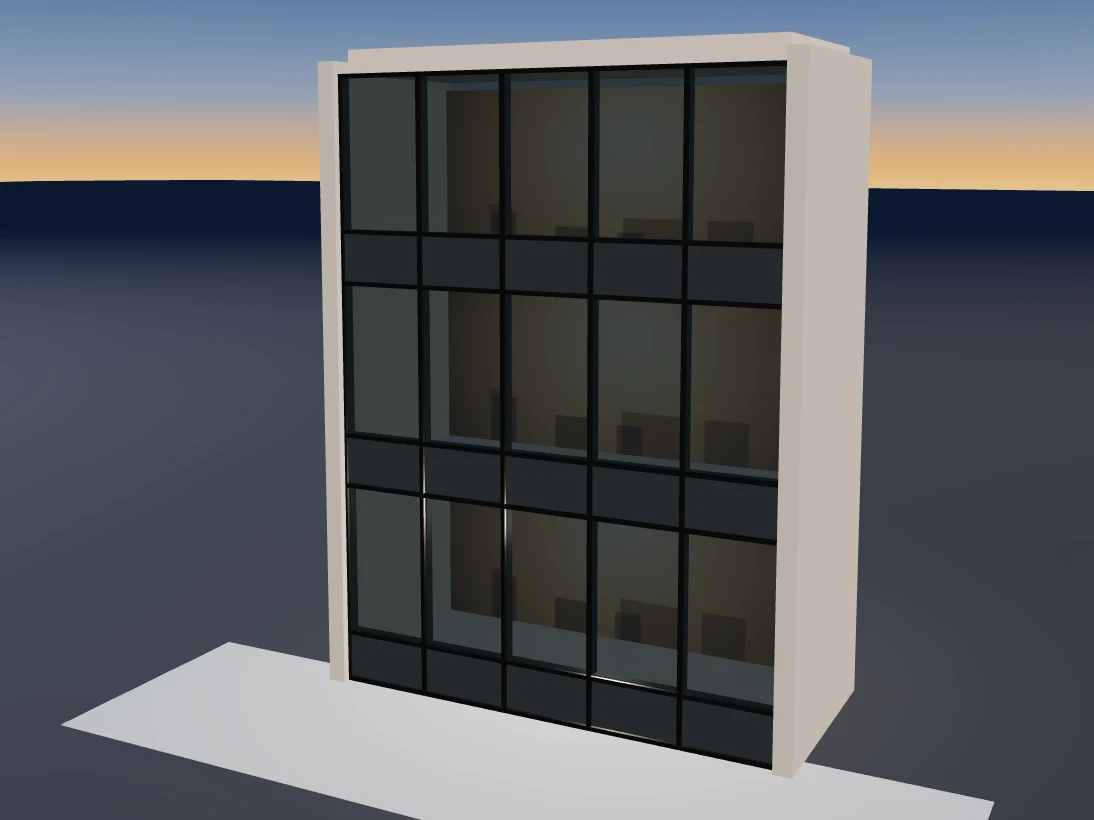
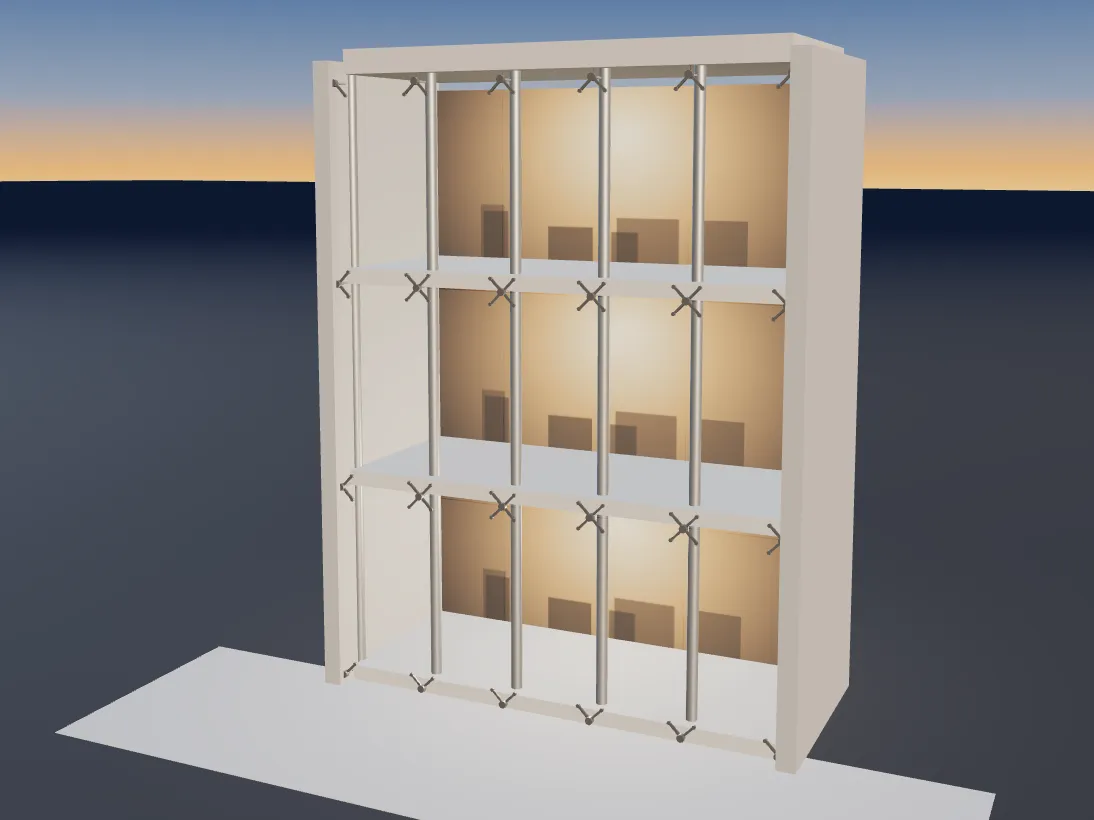
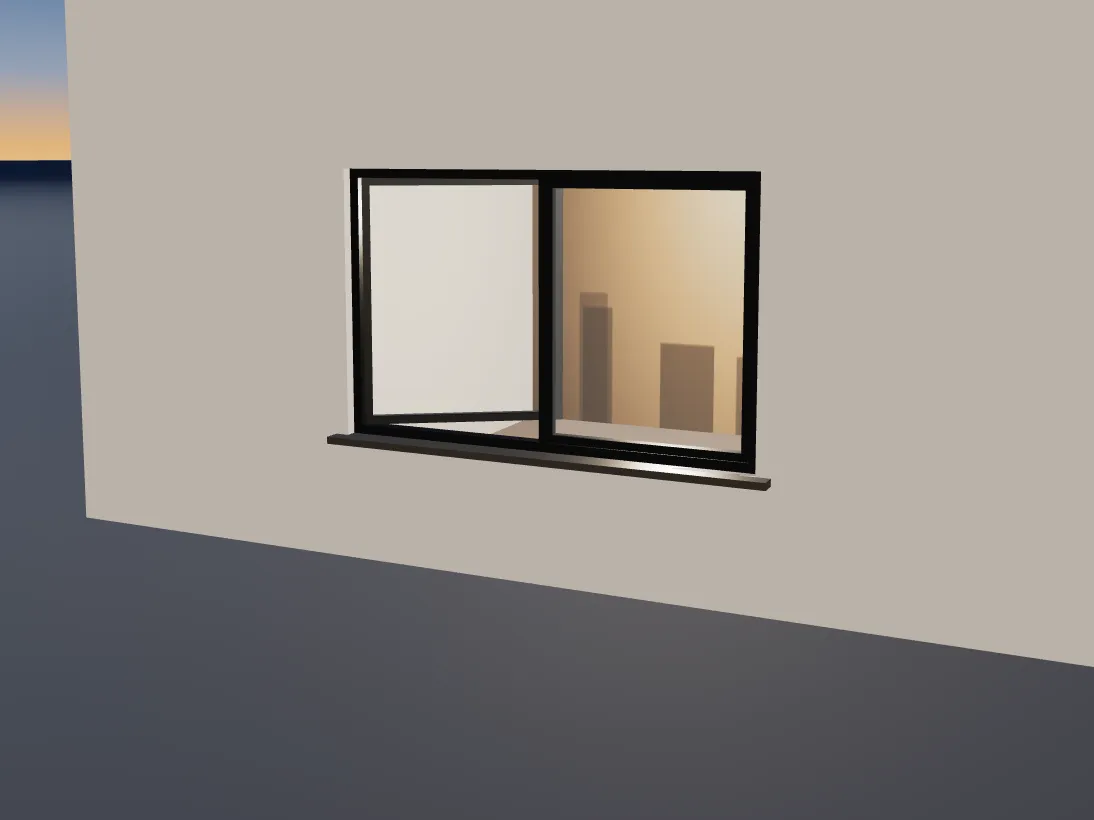
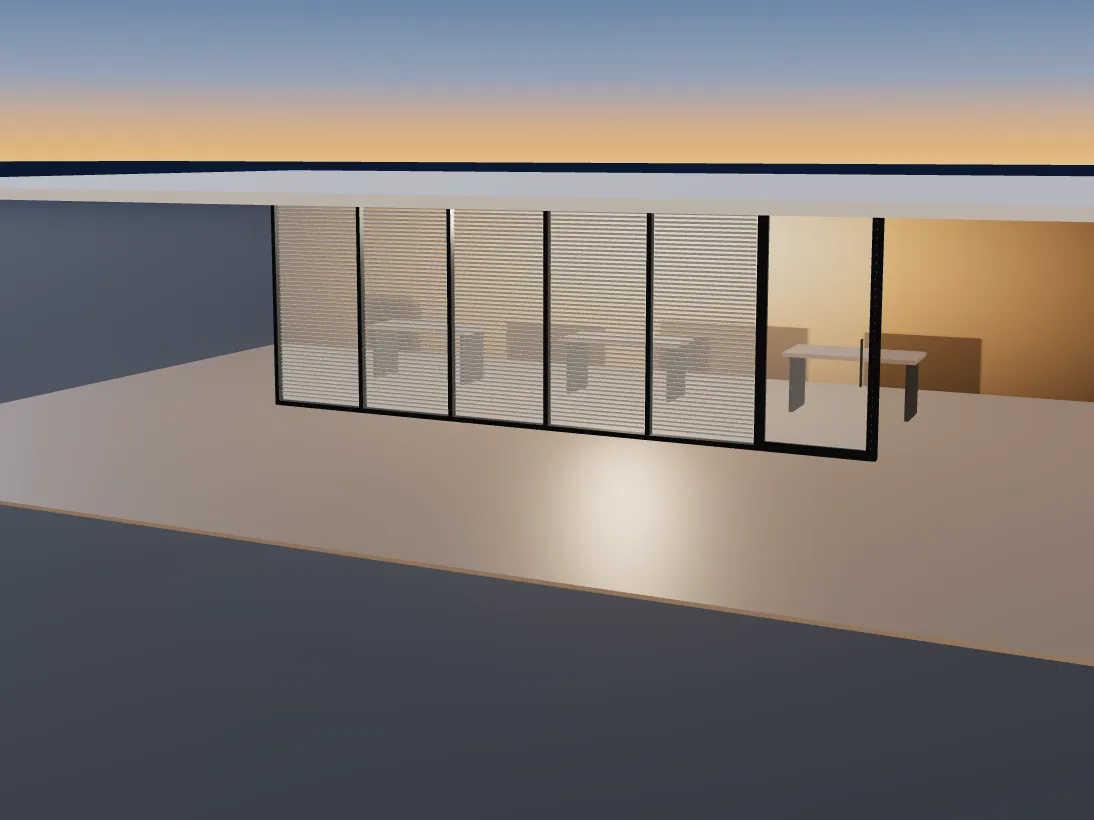
- Shopfront framing: Shop facades generally use aluminium windows and doors or, for larger glazed areas, a capped curtain wall. Thermally broken profiles help keep the shop’s heating and cooling costs down.
- Glass selection: Solar control glass limits overheating, particularly on west and south-facing elevations. Laminated glass is worth considering for security.
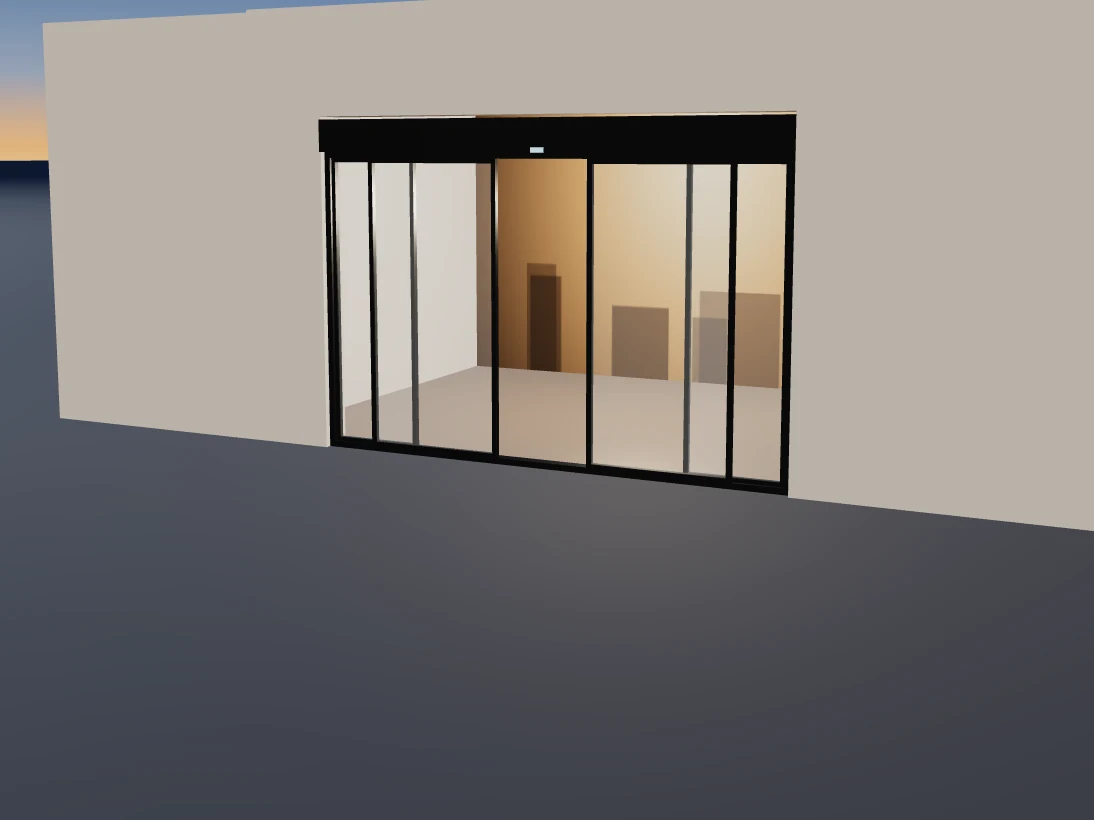
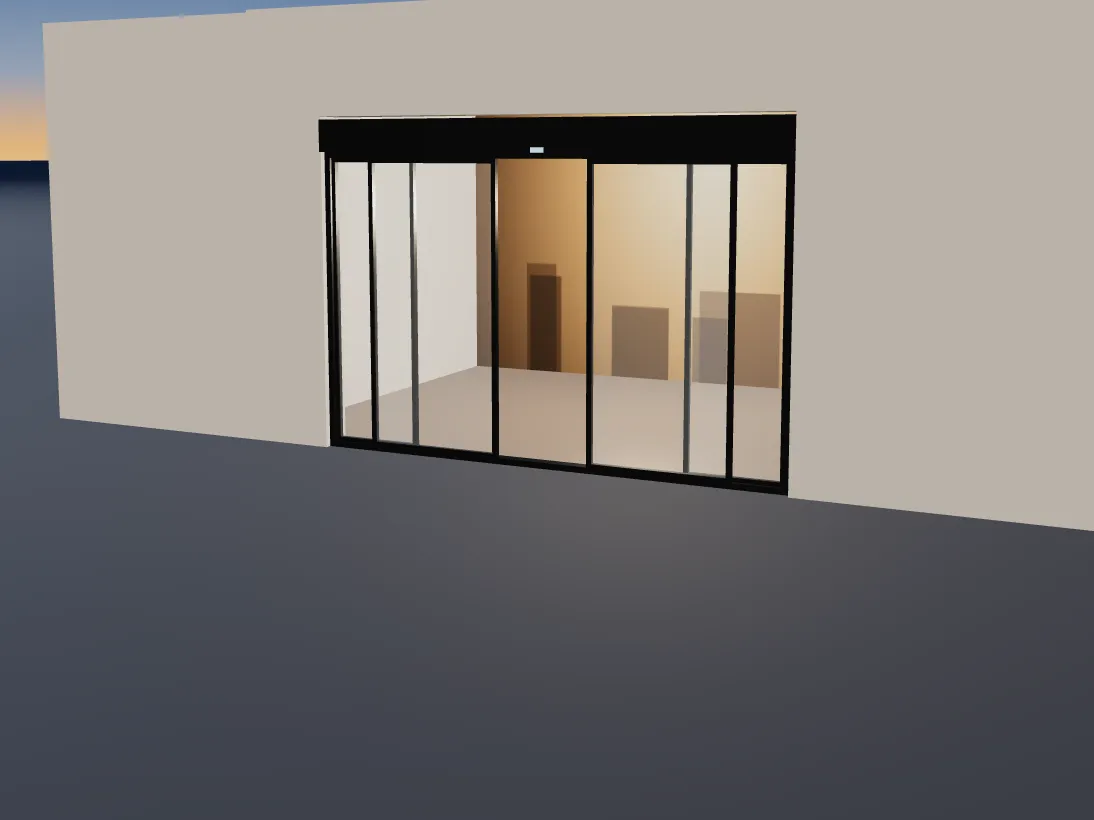
- Entrance doors: With constant customer traffic, automatic sliding doors are the usual choice. They are convenient for customers with their hands full and, because they close behind each person, reduce heat loss and gain.
Durability in daily use
A station facade works in a much harsher setting than an office facade in a city street:
- Where vehicles manoeuvre close to the building, impact-resistant details at low level should be considered.
- Exhaust fumes and fuel vapour speed up the build-up of dirt; easy-clean surfaces and tidy joints make maintenance simpler.
- Because stations trade at night, cable routes for facade lighting, signs and security cameras need to be planned in from the beginning.
Fast installation, minimal downtime
On new stations, the facade package is often on the critical path to opening day. On rebrands and refurbishments of existing sites, the operator usually wants the station closed for as short a time as possible. Panels cut and formed to measure in the workshop, combined with a well-planned installation sequence on site, make that achievable.
Examples of our station work for different brands include Aliağa SOCAR, Malkara Petrol Ofisi, Sandıklı Shell and, abroad, the Abkhazia fuel stations.
Frequently asked questions
Does a rebrand mean replacing the whole facade?
Not necessarily. If the subframe is sound, changing the composite panels and colour bands to the new identity is often enough. A site survey will show what can stay and what needs replacing.
Should the canopy and the shop facade be done by the same contractor?
It is not compulsory, but a single contractor makes it much easier to keep colours, joint lines and details consistent. When the canopy fascia and the shop facade read as one, the whole station looks better ordered.
Does the station have to close while facade work is carried out?
In most cases the work can be phased. By dividing the pump islands and shop entrance into zones, part of the station can keep trading. Safety measures are agreed with the station management beforehand.
Whether you are building a new station or refreshing an existing one, we would be glad to review the facade with you. Contact us to arrange a free site survey.