A building’s facade ages long before its structure does. Sun, rain, wind and daily temperature swings work on the envelope constantly: gaskets harden, silicone joints crack, cladding fades. Because the decline is gradual, it is easy to overlook until water comes in or a panel starts to move.
Deciding on facade refurbishment at the right moment keeps both the cost and the disruption under control. Below are the six warning signs we come across most often on site, and what each of them usually means.
1. Water getting in around windows and joints
Damp patches under windows, stains on ceilings or blistering paint at the foot of walls after rain almost always point back to the facade. The usual culprits are:
- Gaskets that have reached the end of their service life
- Silicone joints that have cracked or lost adhesion
- Blocked drainage slots or poorly detailed weatherproofing
A single leak can often be fixed with maintenance. If leaks keep appearing at different points across the elevation, the system as a whole needs to be assessed.
2. Condensation between the panes
Moisture or fogging inside a double-glazed unit means the edge seal has failed. The unit no longer insulates as designed, and no amount of cleaning will clear it. If only a few units are affected, replacing the glass may be enough. If it is widespread, it makes sense to look at the framing and glazing together.
3. Faded, blistered or rippled cladding
Older paint, render and cladding finishes lose colour, blister and stain over time. On composite panel facades you may see oil-canning on the panel face, opening edges or uneven joint lines. This is not just cosmetic: it is a prompt to check how the panels are fixed to the subframe behind them.
4. Rising heating and cooling costs
Facades built with single glazing or non-thermally broken aluminium sections lose heat in winter and overheat in summer. Condensation on frames, cold draughts near windows and air conditioning that never switches off are typical symptoms. Refurbishing with thermally broken profiles and suitable insulated glass units makes a noticeable difference to comfort indoors.
5. Loose panels, corrosion and safety concerns
Panels that rattle in the wind, rusted anchors, displaced pressure caps or anything that could fall are signs you should not put off. Here the priority is safety, not appearance. The fixings should be inspected on site by a specialist team, and any high-risk areas made safe straight away.
6. A change of use or identity
Not every refurbishment starts with a defect. A change of ownership, a conversion to a hotel, hospital or offices, or a new corporate identity are all good reasons to rethink the facade. An outdated exterior holds a building back, however well the interior has been modernised.
Which systems suit an existing building?
The right choice depends on the condition of the existing wall, the structure behind it and the look you want to achieve. The most common options are:
Aluminium composite panel overcladding
Aluminium composite panel cladding is one of the most practical ways to renew an existing building. Panels are mounted on an aluminium subframe anchored to the existing wall, so in many cases the old finish does not need to be stripped. The system is lightweight, comes in a wide range of colours and gives a crisp, flat surface. Choosing a panel with the right fire classification for the building’s height and use is essential.
Glazed curtain walling
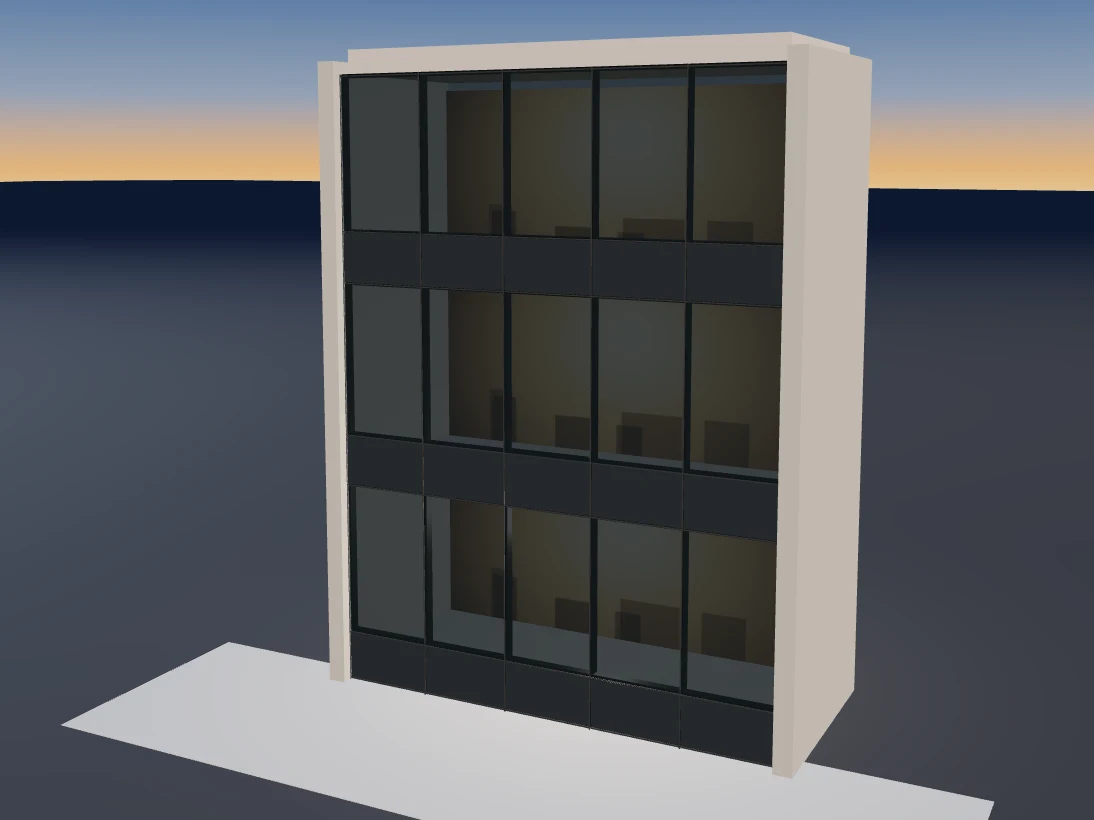
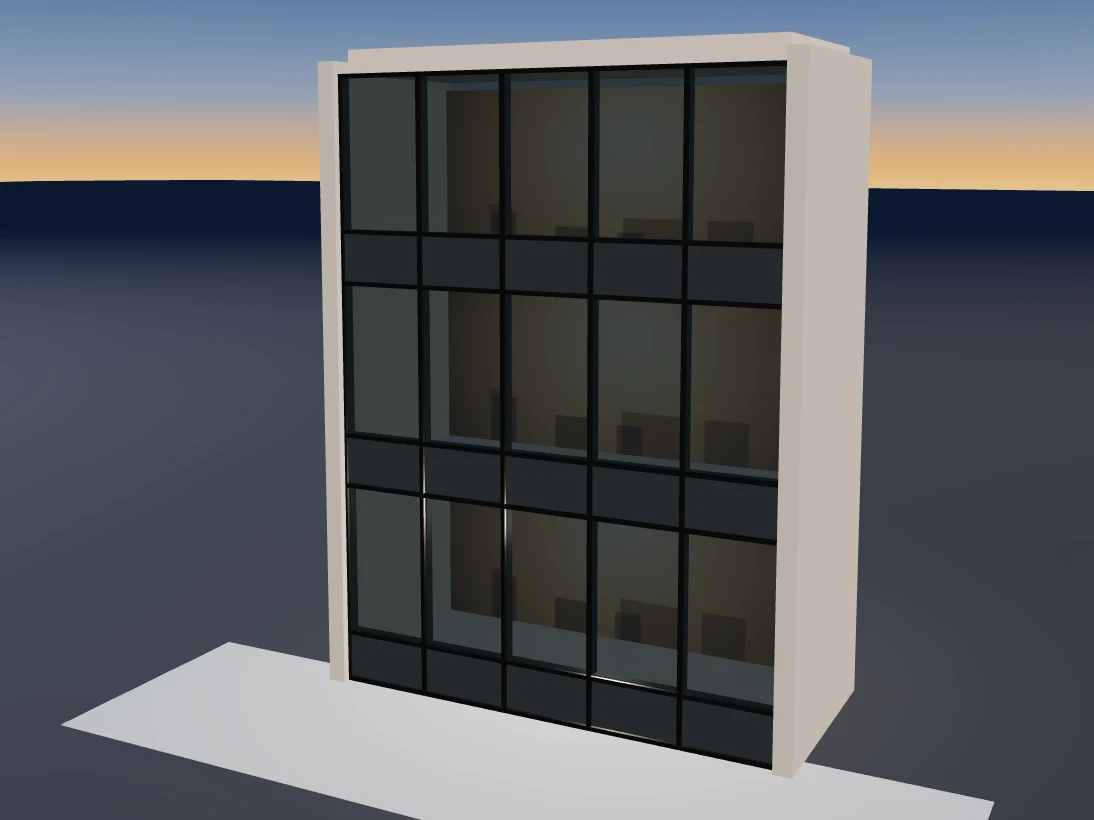
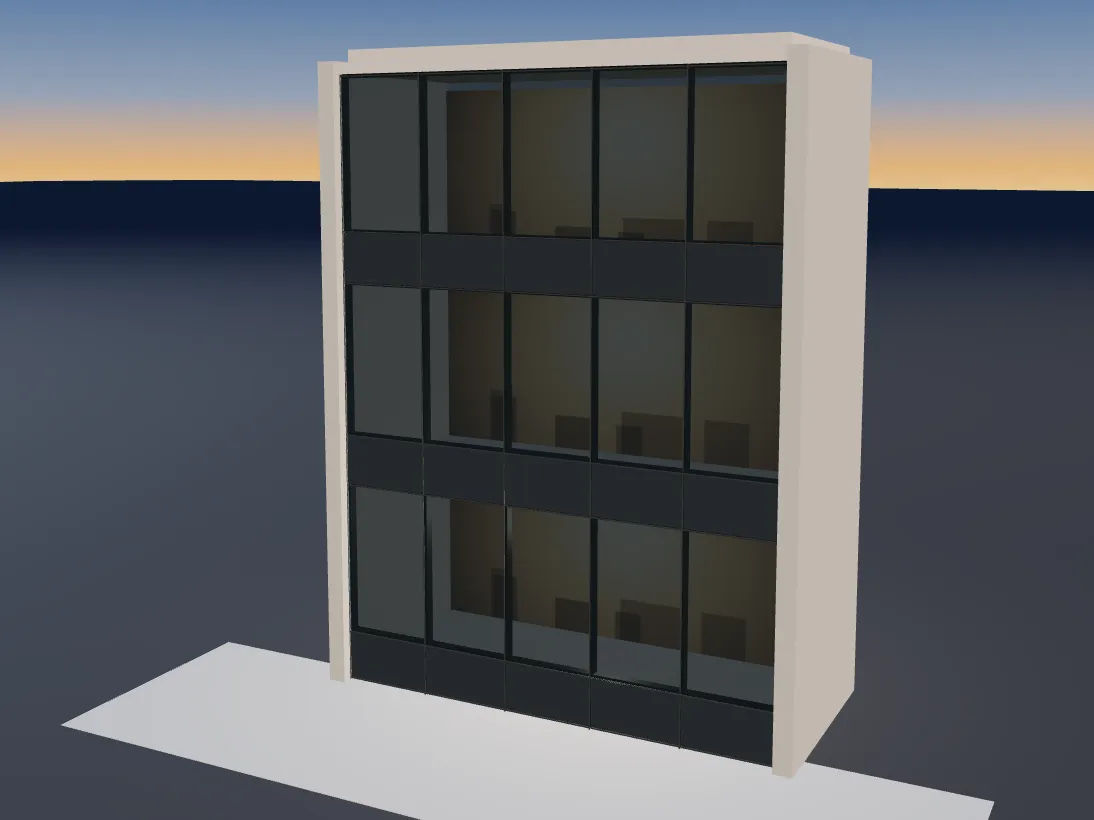
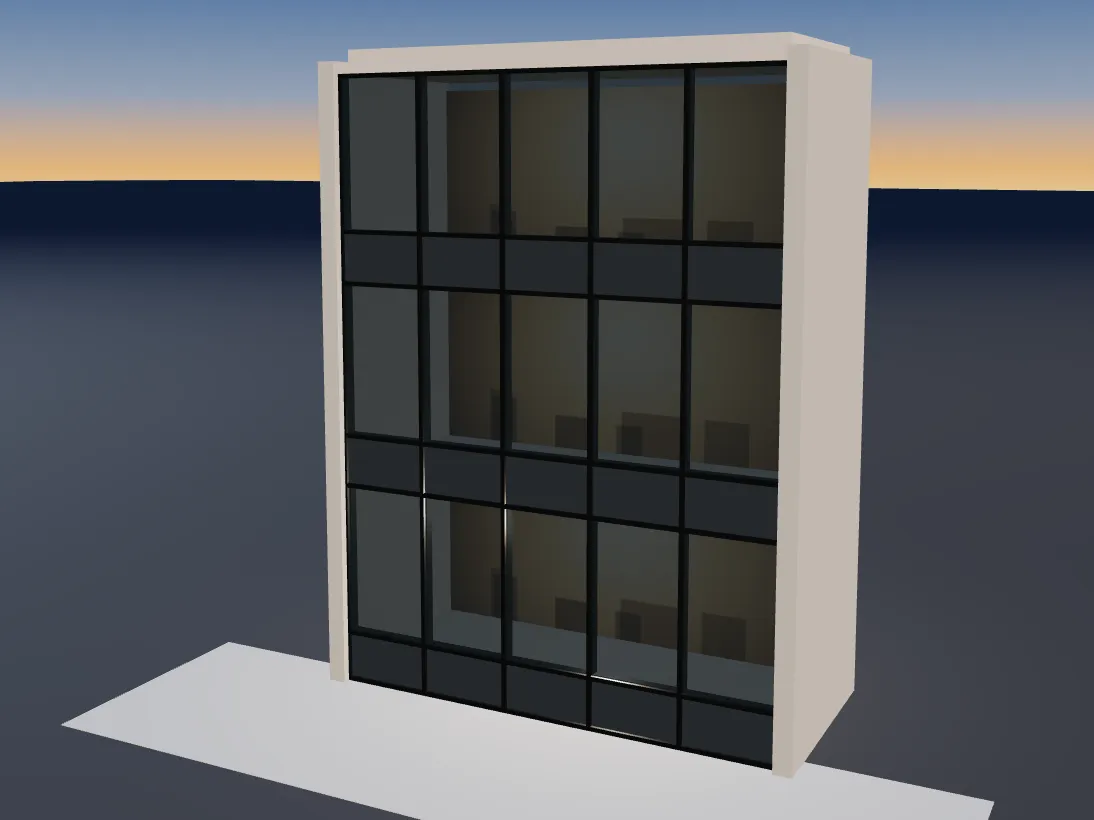
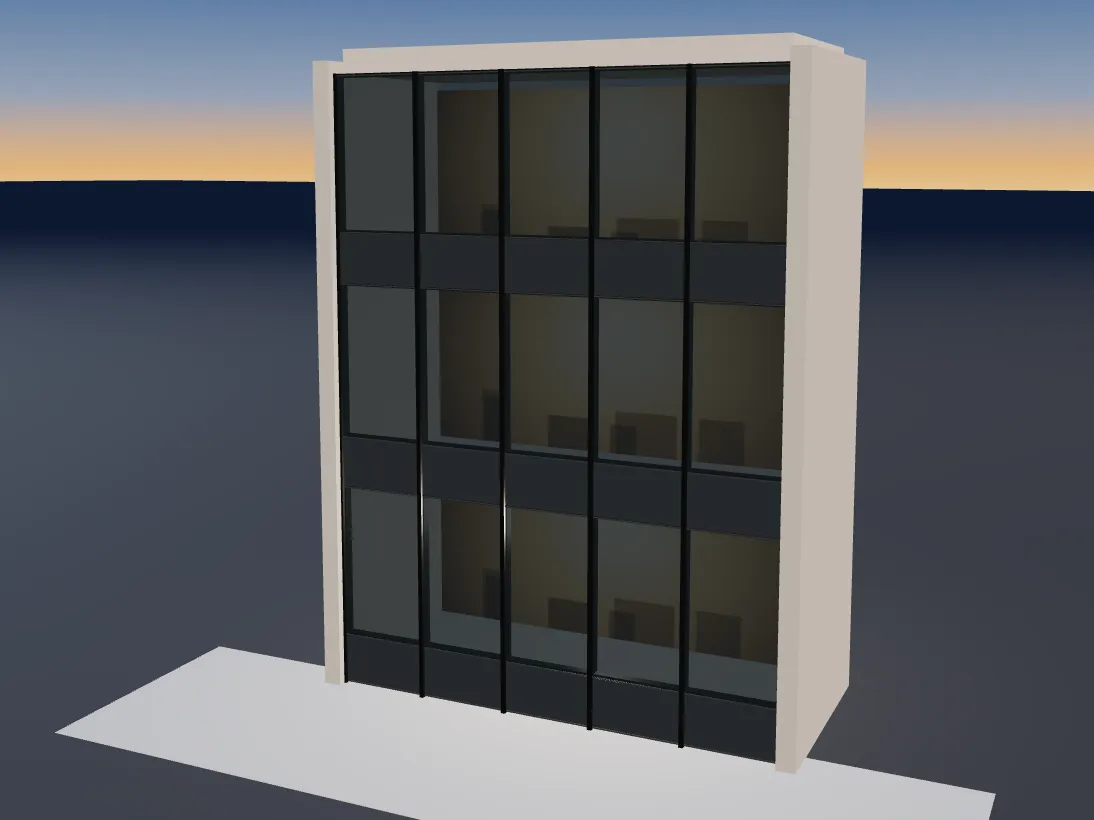
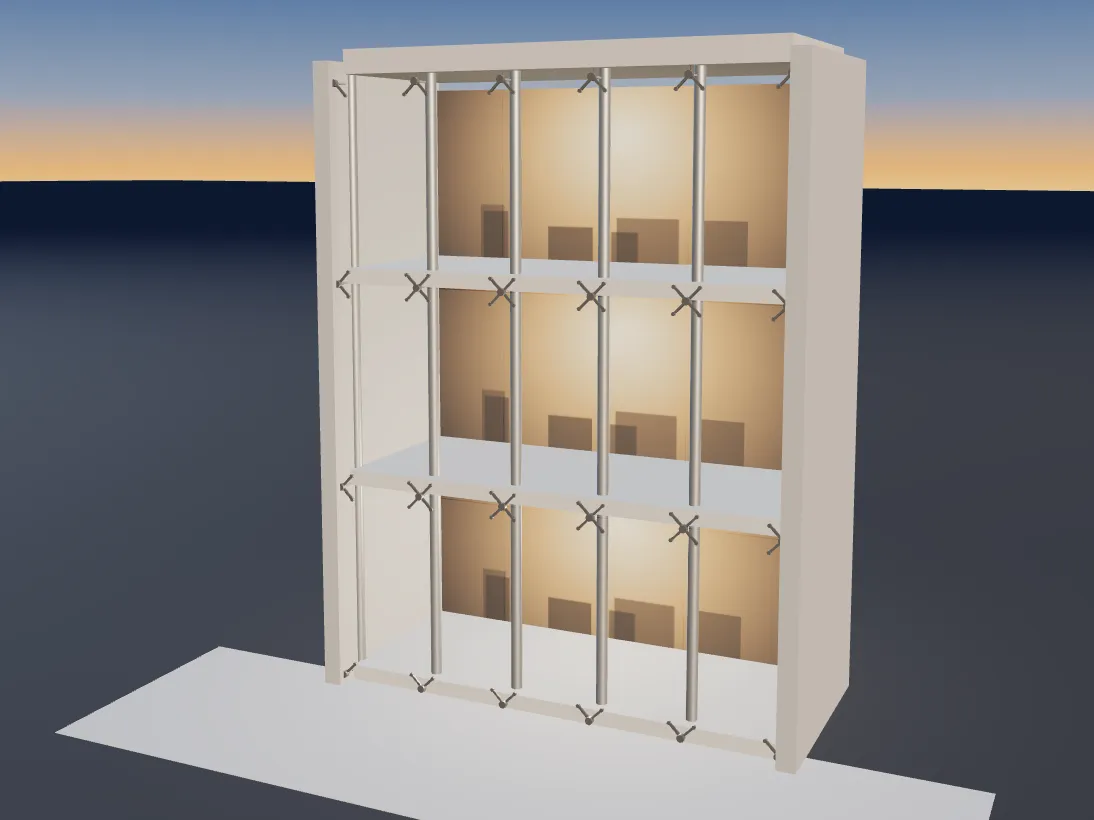
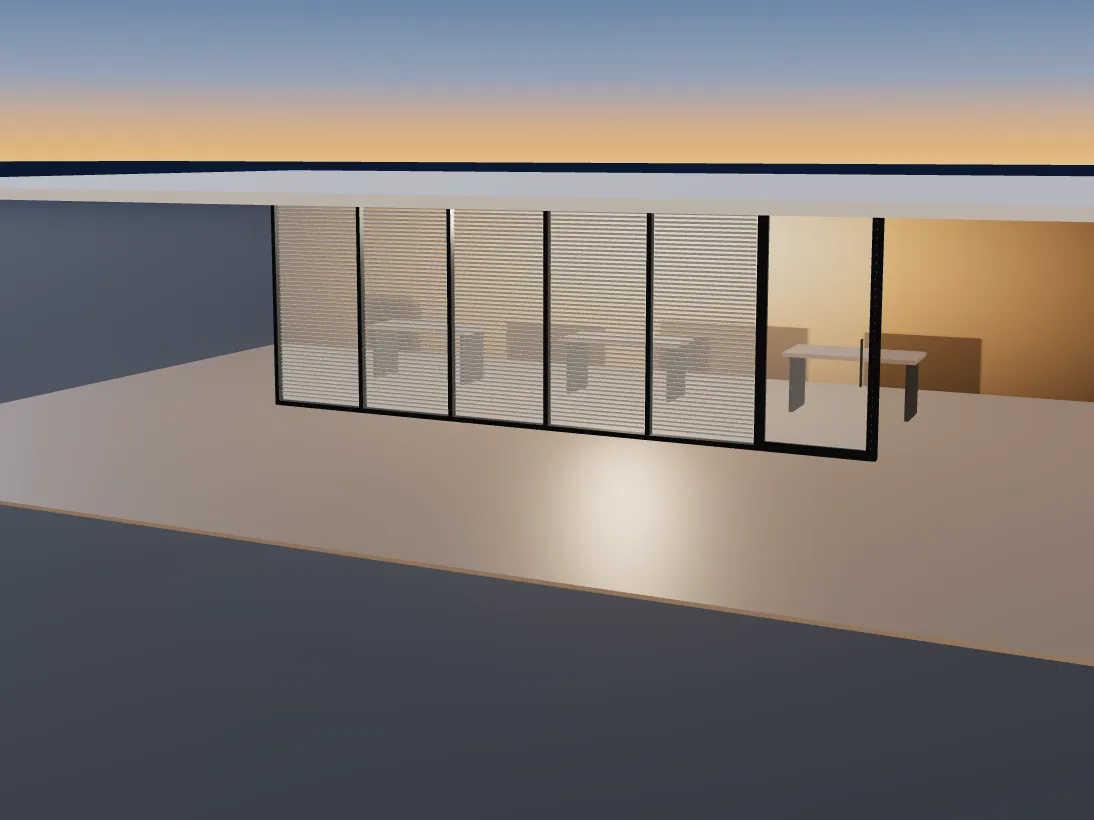
On offices, hospitals and commercial buildings, old strip windows can be replaced with a structural silicone facade or a capped curtain wall. Both give the elevation a unified appearance and re-establish thermal and weather performance from scratch.
Window and door replacement
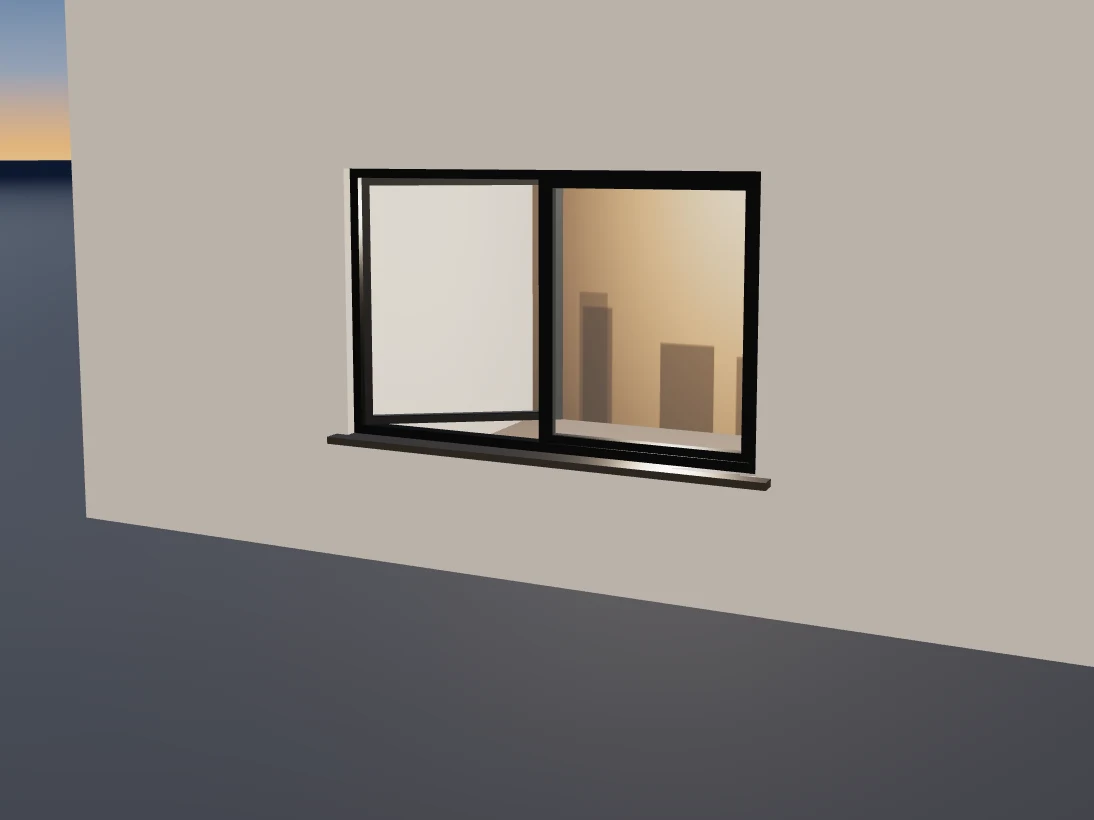
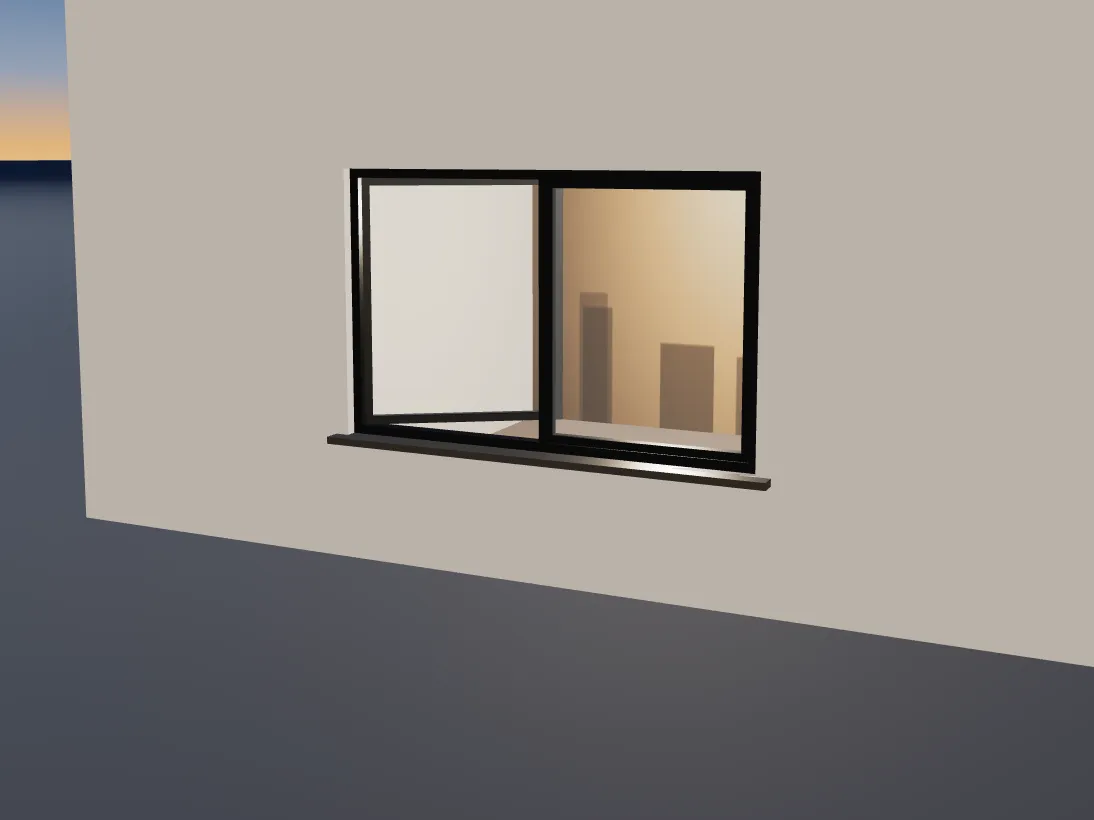
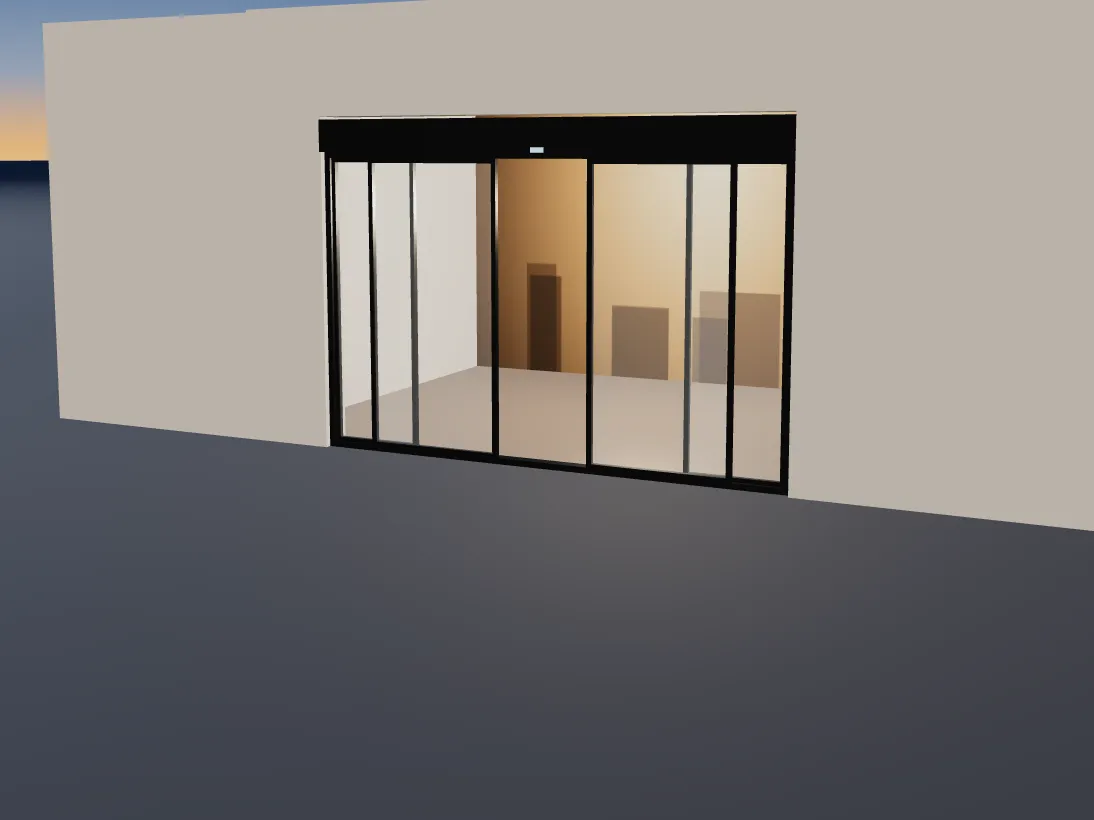
Where the cladding is still sound, replacing the openings with new aluminium windows and doors may be all that is needed.
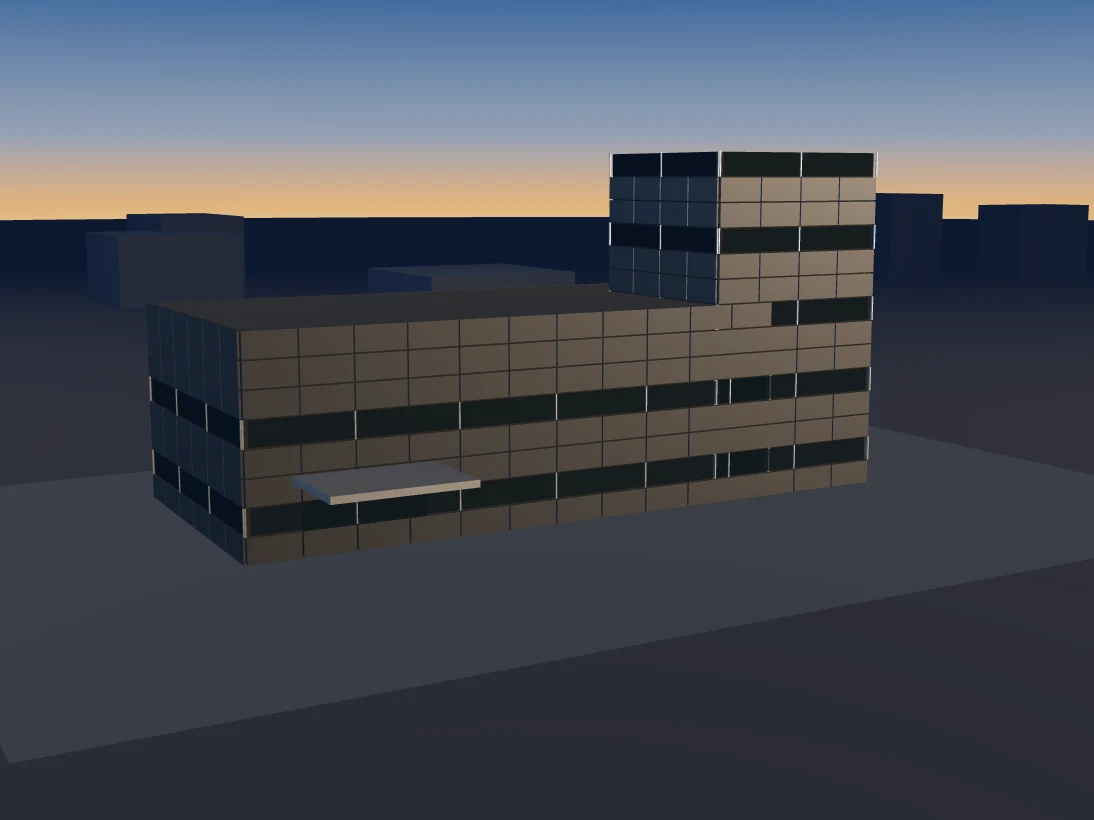
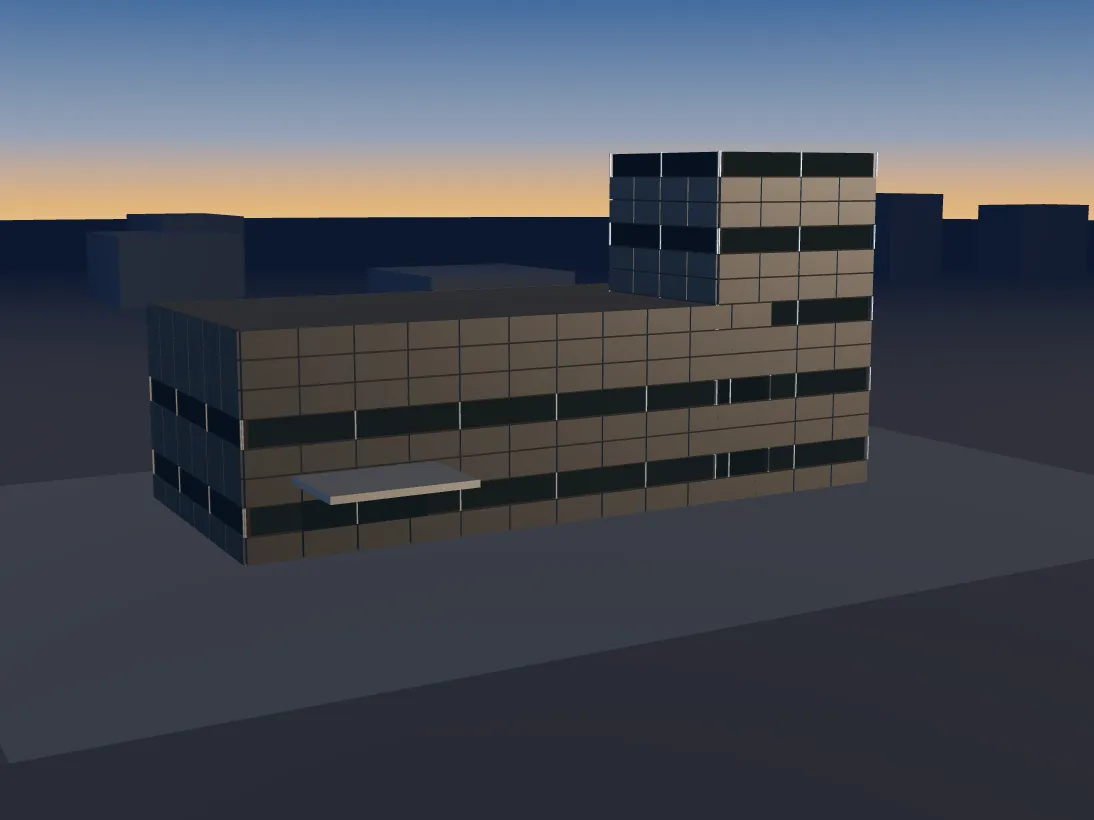
Many projects combine these approaches. The facade renovation at Pendik Yüzyıl Hospital, for example, used composite panels and glazing together.
What to plan for
- Site survey: Load-bearing capacity, anchor points and dimensions must be checked on site before an accurate quotation can be prepared.
- Structural calculations: The new subframe and fixings should be designed for the wind loads on that particular building.
- Insulation and weatherproofing: If the layers behind the cladding are not detailed properly, the new facade simply inherits the old problems.
- Occupied buildings: For hospitals, hotels and offices that stay open, sequencing, scaffolding and safety measures need to be planned to keep disruption to a minimum.
Frequently asked questions
Does the building need to be vacated during facade refurbishment?
Usually not. Composite panel and curtain wall work is carried out from the outside, and by working zone by zone the building can stay in use. Some short internal access may be needed where windows are being replaced.
Does the old cladding have to be removed before overcladding?
If the existing surface is sound and suitable for anchoring, it can usually stay. Loose, blistered or structurally doubtful finishes have to be taken back to a solid substrate first. This is decided during the site survey.
How long does a facade renovation take?
It depends on the facade area, the chosen system, the building’s height and how access is provided. A firm programme can be set once the survey and design work are complete.
If you recognise any of these signs on your building, we would be glad to assess it on site and talk through the options with you. Get in touch to arrange a free site survey.